Demand to operating system

Build the path from search demand to booked work.

CodeMode builds web systems for service businesses: demand pages attract clients, marketplace and booking flows convert them, and CRM/admin workflows keep the result measurable.

Client needs
Find the right service
Business gets
Requests, booking, payment
Operator controls
Quality and growth

Marketplace + booking + programmatic SEO Web Development Studio for Marketplaces, Booking Platforms and SEO Growth in Poland

CodeMode helps companies working in Poland launch web platforms that can rank, convert and scale: clear architecture, regional SEO structure, lead capture, CRM handoff and measurable...

Our work

Cases are the product promise.

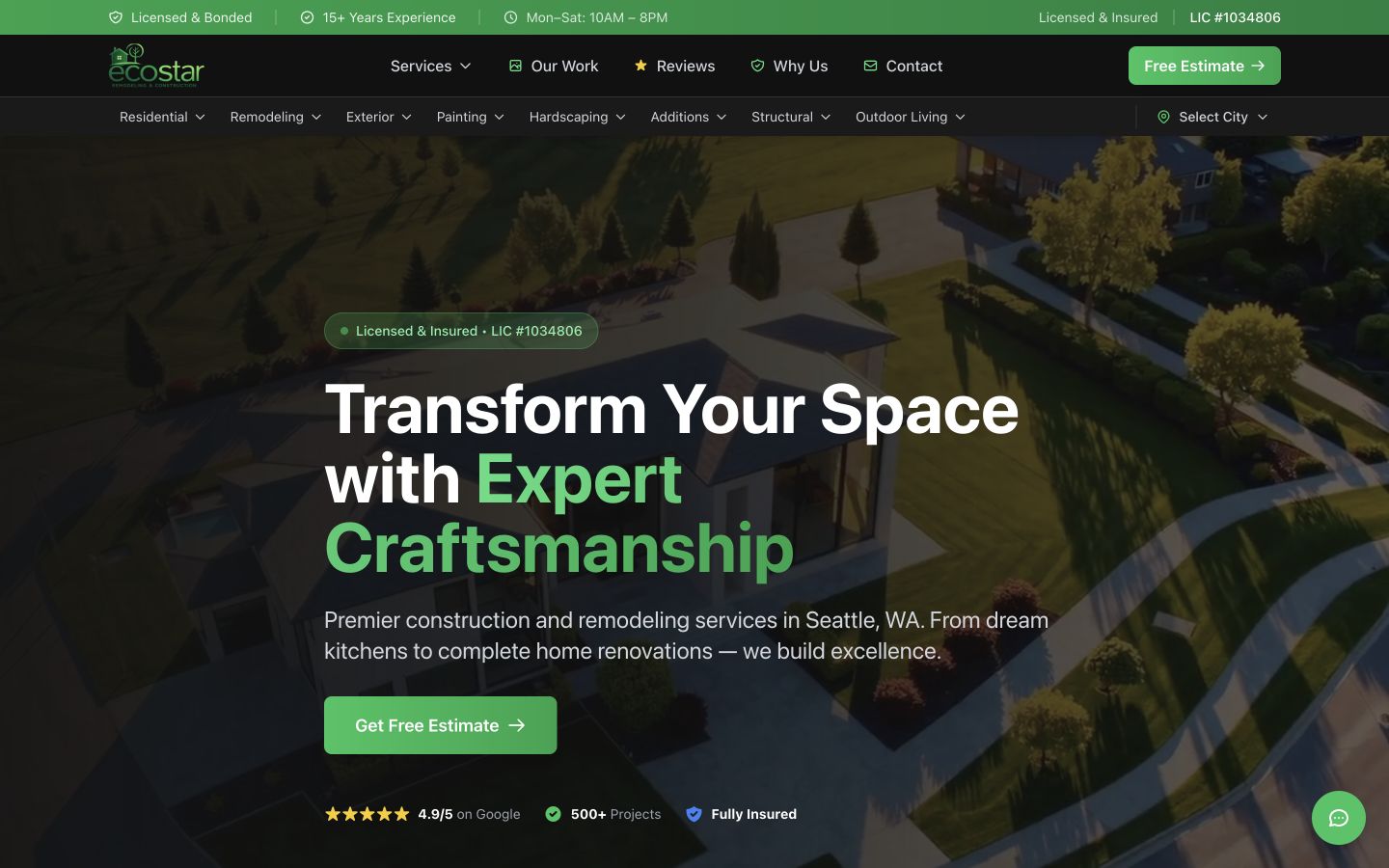
The fastest way to understand what we build is to look at the projects. Each case shows the result clients actually buy: working structure, commercial logic, user flows and a path to leads.

What we prove Real platform behavior
What clients buy A result, not a layout
What comes next Lead generation

Marketplace and provider discovery products with multi-sided workflows.

Marketplace network / Poland

Case page

Locate Regional Marketplace Case Study | Poland

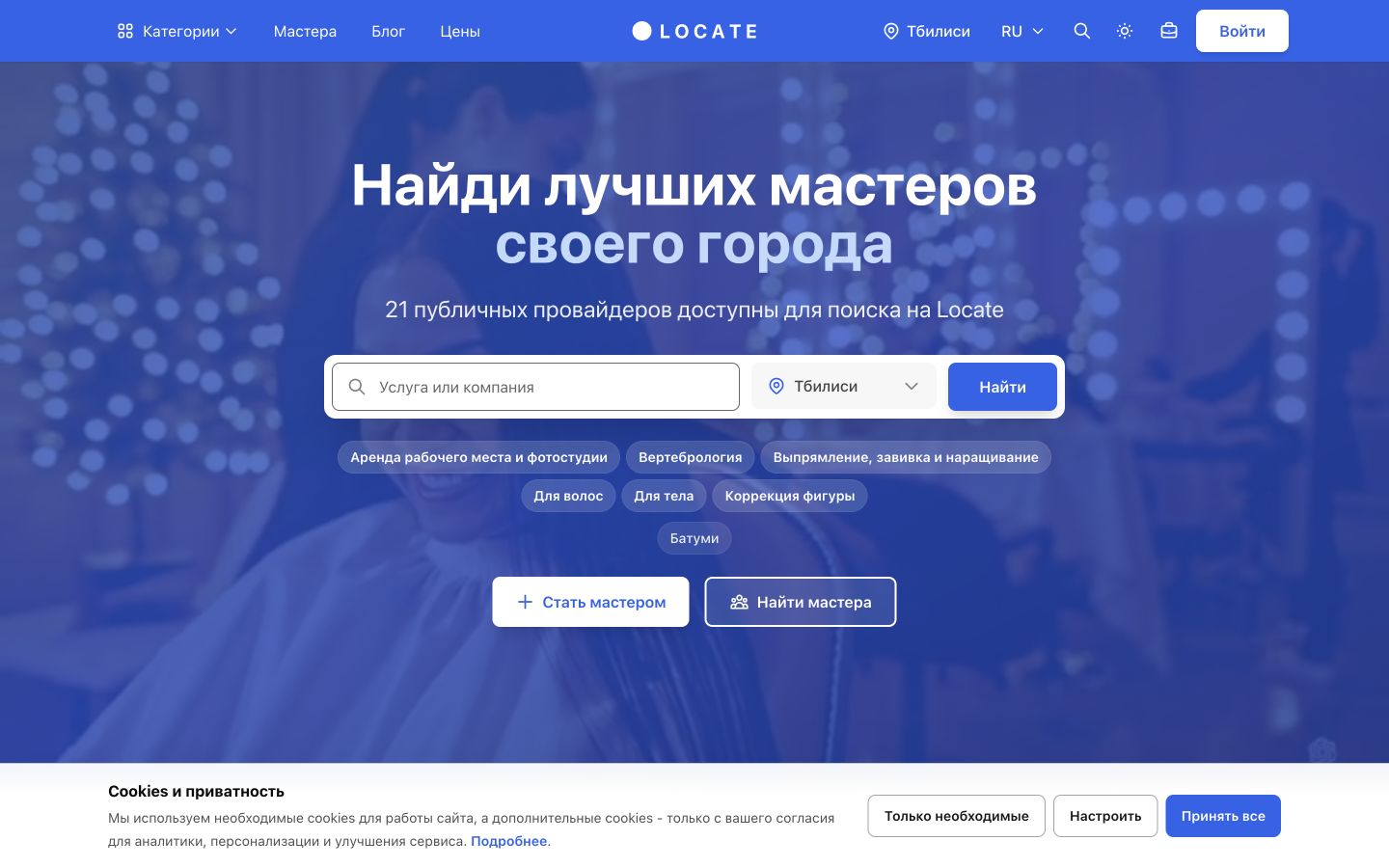
Locate is a multi-region marketplace direction covering locate.ge, locate.com.ua, locate.com.pl and locate.com.kz with local service discovery, demand capture and SEO landing pages. Localized English version for Poland.

Open case study

Auto services / Poland

Case page

AutoSyndicate Case Study | Poland

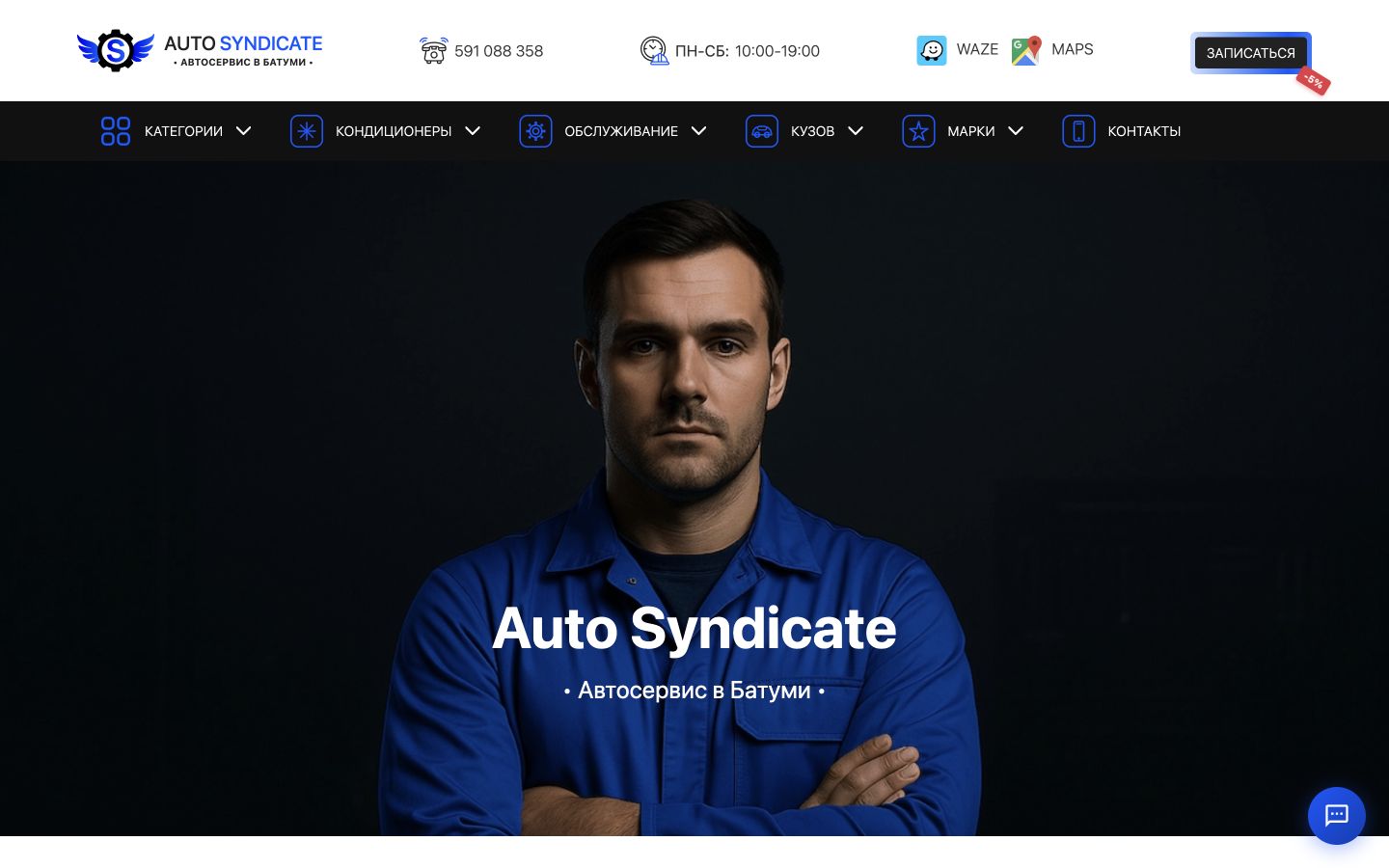
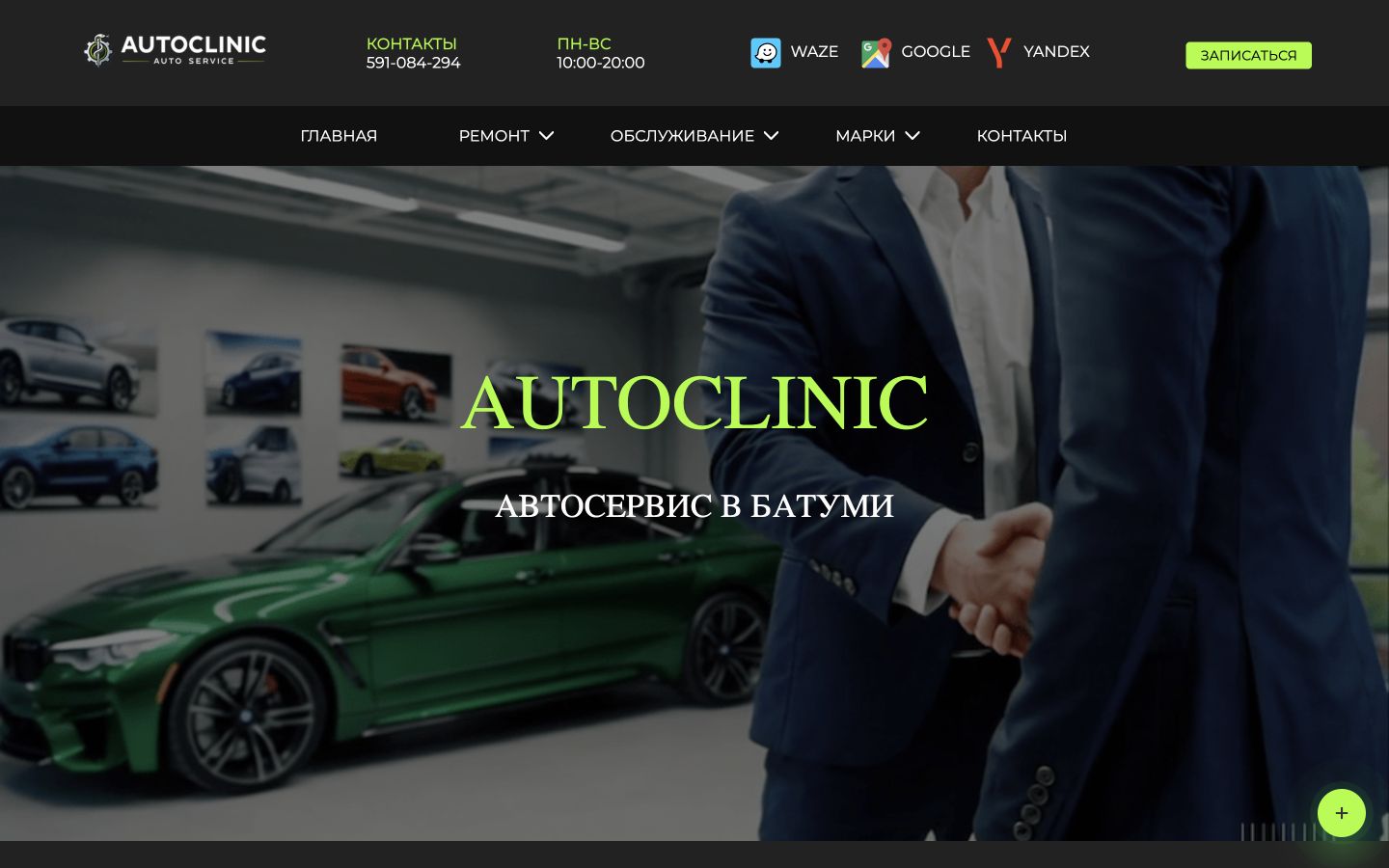
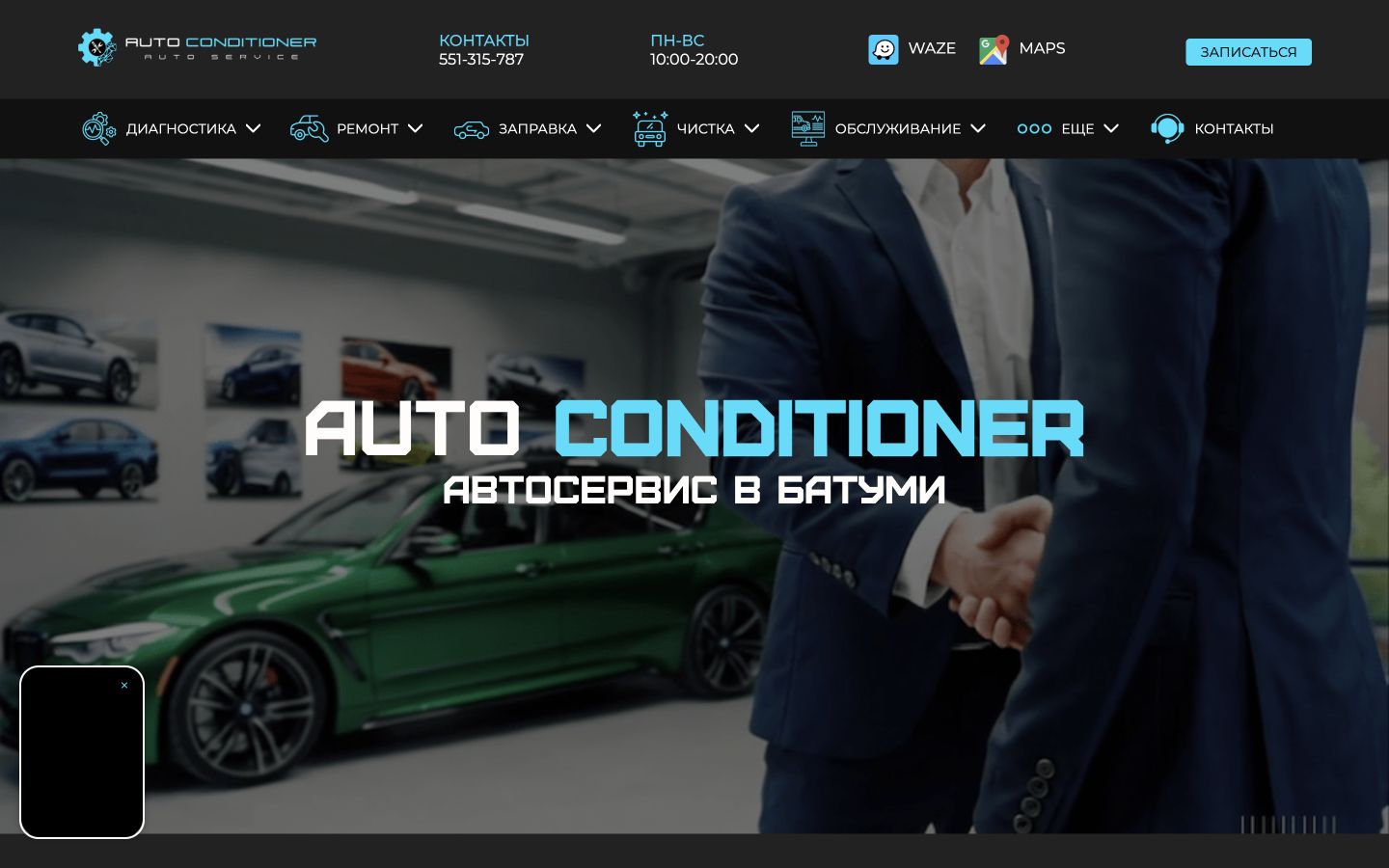
AutoSyndicate is an automotive services case focused on service discovery, technical content, local demand and lead capture for car owners. Localized English version for Poland.

Open case study

Page map

Use this page to choose a project path

This section reduces the home page to four decisions: what to build, where it fits, how it should convert and what proof to review next.

01 Scope

What can be built

Marketplaces, booking flows, service platforms and SEO-driven pages are grouped by business task.

  • Product type
  • First-release modules
02 Fit

Where it applies

Industries and markets show how the same platform logic changes for local demand and service models.

  • Industry context
  • Regional growth
03 Conversion

How it creates leads

Forms, AI prompts, booking steps and CRM handoff are treated as part of the product, not decoration.

  • Lead path
  • Operator workflow
04 Proof

What confirms the approach

Case studies and stack pages show real product behavior, technical choices and the next scope decision.

  • Case evidence
  • Delivery stack

Next step

Use the checklist for early scope or send a brief when the project shape is clear.

Industries

Focused markets

Target niches where CodeMode can connect positioning, conversion flow, SEO pages and platform logic into one launch-ready system.

Groups
12
Directions
194
01 Group 22 Directions Healthcare and Medical Medical practices, clinics, telemedicine, therapy, diagnostics and care providers. Open group 02 Group 16 Directions Wellness and Personal Care Beauty, wellness, fitness and personal care businesses with booking and local demand. Open group 03 Group 22 Directions Home and Local Services Local service businesses for homes, repairs, maintenance and service-area operations. Open group 04 Group 14 Directions Construction and Trades Construction companies, contractors, trades, architecture, engineering and property maintenance. Open group 05 Group 14 Directions Real Estate and Property Real estate agencies, property management, rentals, developers and property platforms. Open group 06 Group 16 Directions Professional Services Consulting, agencies, accounting, recruitment, IT services and B2B service providers. Open group 07 Group 16 Directions Legal and Finance Law firms, insurance, fintech, financial services, lending and advisory businesses. Open group 08 Group 14 Directions Education and Training Schools, courses, e-learning, tutoring, training and educational institutions. Open group 09 Group 18 Directions Retail and Ecommerce Retail stores, ecommerce brands, wholesale, subscriptions and online commerce businesses. Open group 10 Group 16 Directions Food and Hospitality Restaurants, cafes, food delivery, hotels, resorts and hospitality groups. Open group 11 Group 14 Directions Travel, Events and Entertainment Travel companies, event businesses, venues, entertainment and experience providers. Open group 12 Group 12 Directions Automotive and Transportation Auto services, dealerships, rentals, repair, towing and transport-related businesses. Open group

Technologies

Practical stack

A practical delivery stack for product interfaces, backend logic, integrations, analytics and scalable content architecture.

Tools
31
Groups
7
06 Language

HTML/CSS

At CodeMode, we specialize in HTML and CSS development, creating responsive and accessible web platforms. Our solutions focus on SEO and user engagement, integrating seamlessly...

Tailwind CSS
Open stack
07 Framework

Yii2/Yii3 Framework

CodeMode harnesses the Yii2/Yii3 framework to create structured PHP backends that underpin web applications, ecommerce sites, and custom marketplace solutions. Our development...

Open stack
08 Framework

Laravel Framework

At CodeMode, we harness the power of Laravel to create web platforms, SaaS, and ecommerce solutions that drive business success. Laravel's elegant framework ensures...

Open stack
09 Framework

Symfony Framework

At CodeMode, we utilize the Symfony framework to create scalable web platforms, SaaS applications, and exceptional backend services. Its flexibility and modularity enable seamless...

Open stack

Next step

Plan a platform around traffic, leads and payments

  • Product version
  • Content structure
  • Integrations
  • Growth pages

CodeMode can shape the first version, content structure, integrations and growth pages before development starts.

FAQ

Common questions

01 What does CodeMode build?

CodeMode builds marketplace websites, booking systems, service business platforms, SaaS MVPs and SEO-driven pages where content, forms, analytics and operational logic work as one product.

02 When should a business choose a marketplace or booking platform?

A marketplace fits when several providers, services or locations need profiles, search, requests and operator control. A booking platform fits when the main conversion is appointment scheduling, availability, reminders, payments or repeat visits.

03 Can the project include SEO pages from the first release?

Yes. The structure can include service, industry, city, technology and FAQ pages from the start, with clean URLs, metadata, internal links and editable content for later SEO growth.

04 What is needed to estimate scope, budget and timeline?

The first estimate needs the business model, target audience, core user actions, must-have integrations, content volume, market or language versions and examples of products that show the expected level of complexity.

05 Does CodeMode only make the visual design?

No. The work covers product structure, frontend, backend, admin flows, forms, CRM handoff, analytics events, SEO architecture and the technical base needed to launch and improve the product after release.

Project context

Web development in Poland with search demand in mind

A homepage should not work as a generic agency slogan. For companies working in Poland, it has to explain what CodeMode builds, which commercial search intents the site can capture, how the product will convert visitors into qualified requests and how the region shapes language, trust signals and examples. This is why the main page is structured as a market-aware SEO entry point rather than a short portfolio screen.

CodeMode focuses on websites and platforms where content, product logic and lead flow are connected. A marketplace needs provider profiles, categories, request routing, moderation and analytics. A booking platform needs schedule logic, availability, reminders, payments and clear service pages. A SaaS MVP needs onboarding, dashboards, permissions and technical decisions that do not block later growth. A service website needs local pages, proof, fast pages and a path to contact.

The SEO layer is planned together with development. Title, H1, meta description, text_top, text_bottom, FAQ, internal links, schema.org, canonical URLs and alternate language links should support one search strategy. The page has to answer commercial queries, informational questions and comparison intent without becoming a thin keyword page. Search engines and language models need a clear entity: CodeMode, the services, the region, the business use cases and the outcomes that can be measured.

  • marketplace and directory architecture for service, B2B and local-demand products;
  • booking, quote, request and lead-generation workflows for operational businesses;
  • SaaS MVP structure with roles, dashboards, payments and integrations;
  • programmatic SEO foundations for category, service, city, industry and case pages;
  • analytics events, CRM handoff, forms and conversion paths from the first release.

How the homepage supports regional SEO

The current language and region matter because users search with local vocabulary, local expectations and different proof requirements. A page for Poland should mention the market directly, but it should also show that the structure can support expansion: local service pages, industry pages, technology pages, case studies and supporting articles. The goal is not to duplicate the same text for every region. The goal is to keep a shared product offer while adapting the content to how companies in this market choose a development partner.

For SEO, the homepage connects high-level intent with deeper landing pages. It introduces the main offer, links to categories and cases, and gives search crawlers enough context to understand the site hierarchy. The bottom text expands the semantic field around web development, marketplace development, booking systems, SaaS development, integrations, local SEO and product analytics. This helps the page serve as a stable base for future landing pages instead of competing with them.

  1. Clarify the business model and the main conversion action.
  2. Map the services, industries, locations and search modifiers that deserve separate pages.
  3. Build clean URLs, canonical rules, alternate links and structured content blocks.
  4. Connect forms, analytics, CRM fields and lead quality signals.
  5. Improve the page with real cases, FAQs, comparison content and local proof after launch.

What CodeMode optimizes before launch

The technical work starts with reliable page speed, clean templates and predictable content fields. The editorial work starts with clear headings, useful descriptions and page sections that can be improved without touching application code. The commercial work starts with a practical lead path: a visitor should understand the service, see relevant examples, choose the next step and submit a request without friction.

That combination is important for companies working in Poland because a web project rarely ends on release day. New categories, integrations, cities, services, pricing pages, blog posts and case studies should fit the same system. CodeMode builds the first version so future SEO work can be added deliberately: no uncontrolled duplication, no orphan pages and no analytics blind spots.

Strong homepage SEO is not a long block of filler text. It is a market-specific explanation of who the company helps, what it builds, how the page hierarchy works and which signals prove that the product can generate measurable demand.