Web development in Georgia with search demand in mind
A homepage should not work as a generic agency slogan. For companies working in Georgia, it has to explain what CodeMode builds, which commercial search intents the site can capture, how the product will convert visitors into qualified requests and how the region shapes language, trust signals and examples. This is why the main page is structured as a market-aware SEO entry point rather than a short portfolio screen.
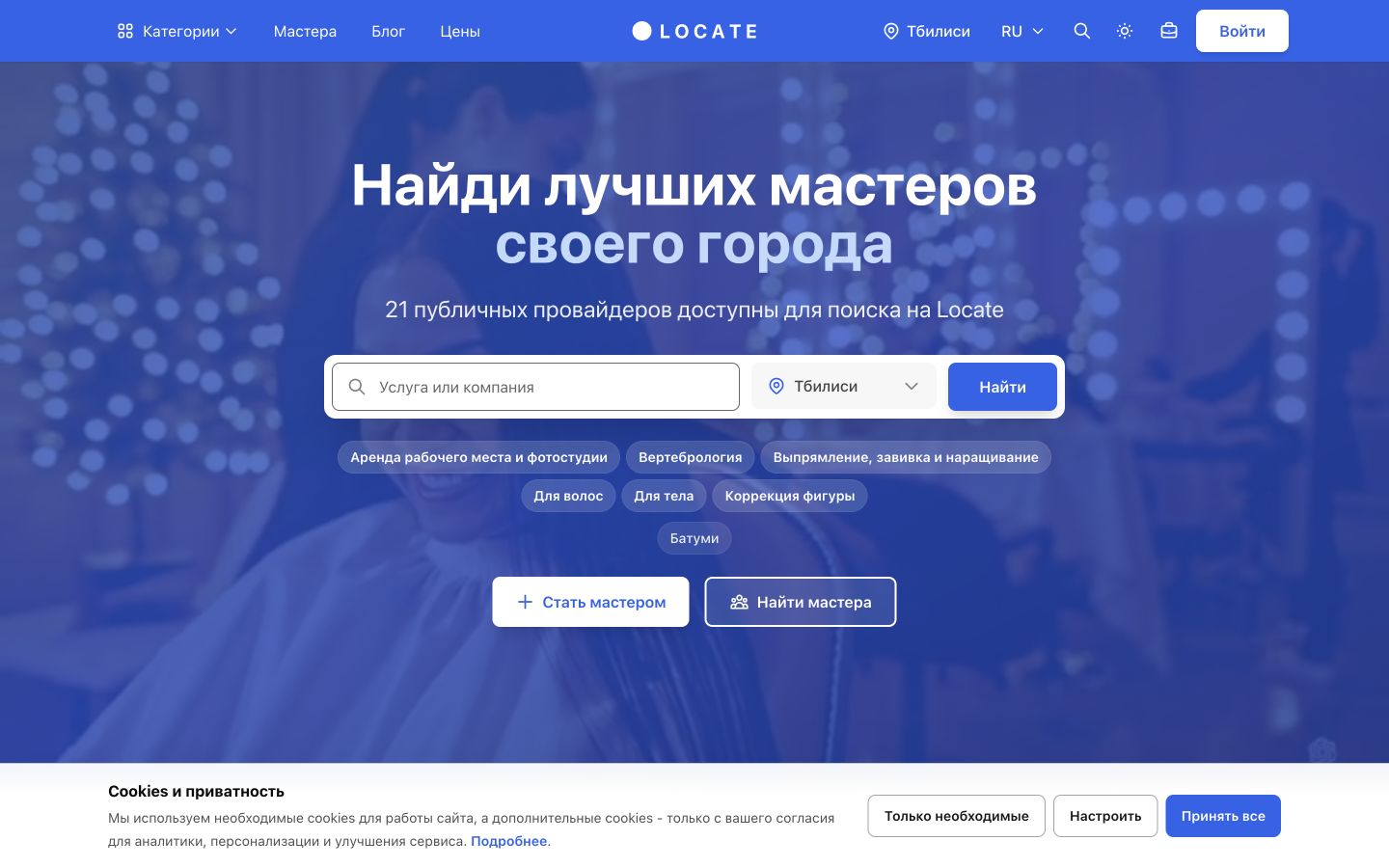
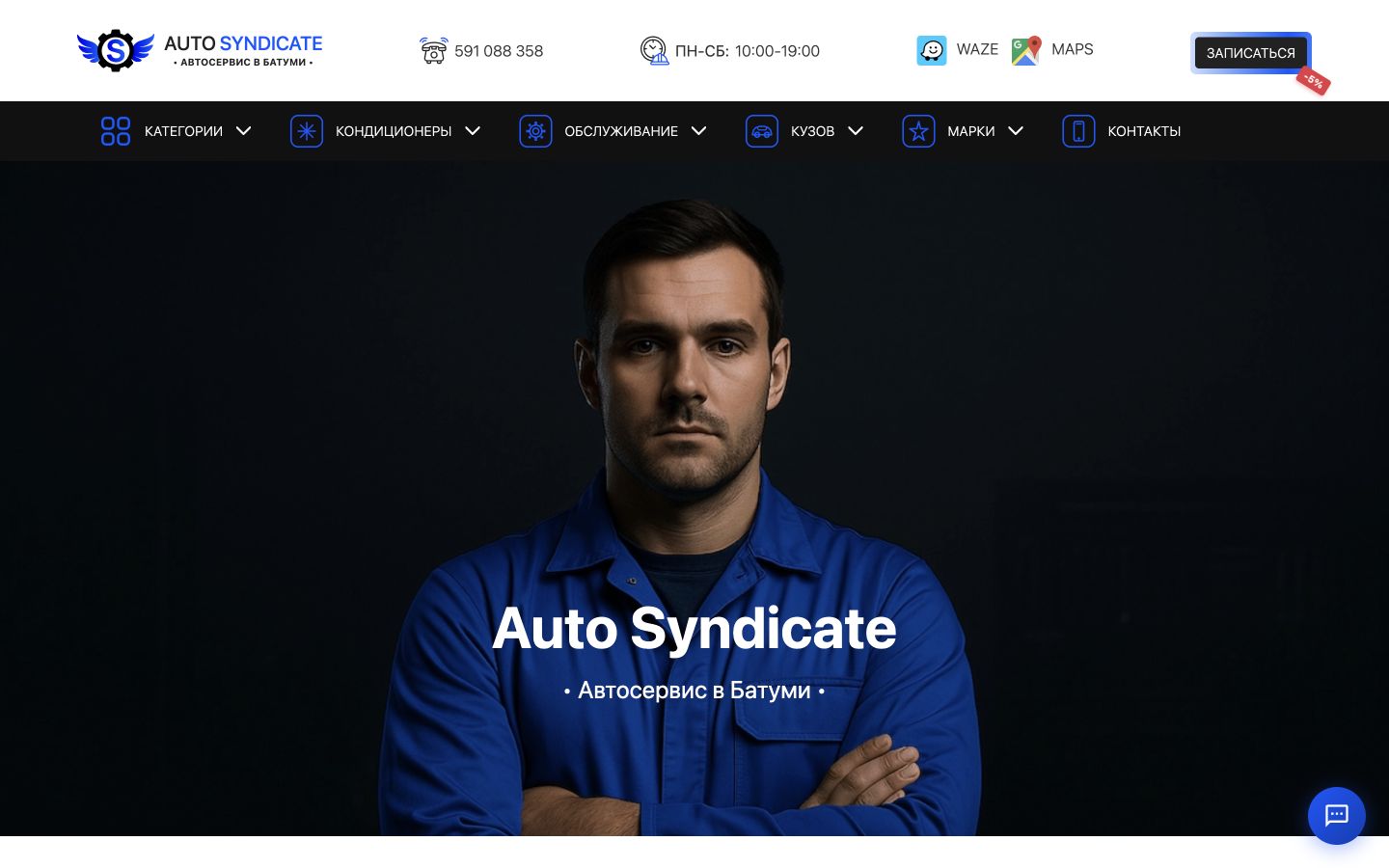
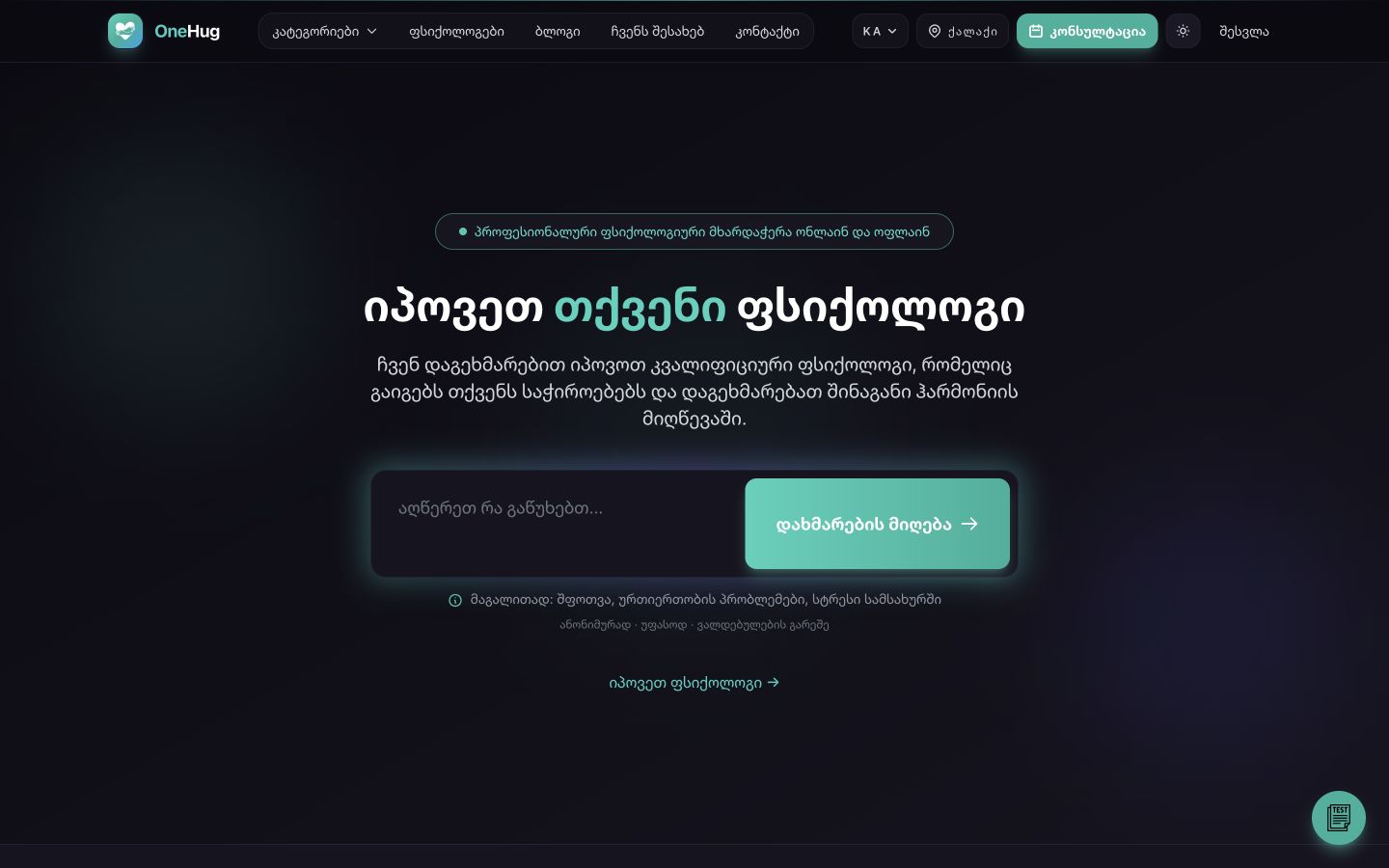
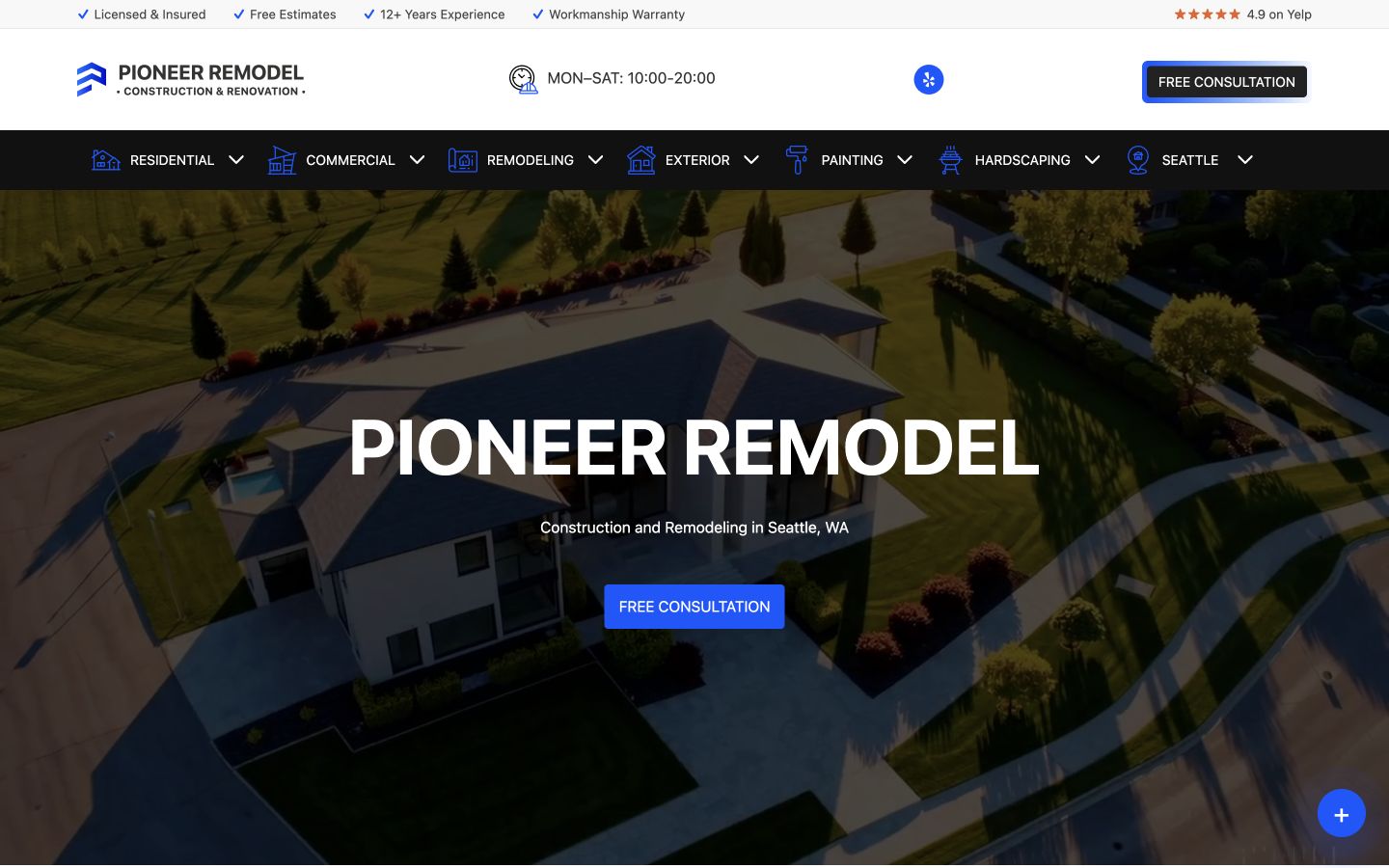
CodeMode focuses on websites and platforms where content, product logic and lead flow are connected. A marketplace needs provider profiles, categories, request routing, moderation and analytics. A booking platform needs schedule logic, availability, reminders, payments and clear service pages. A SaaS MVP needs onboarding, dashboards, permissions and technical decisions that do not block later growth. A service website needs local pages, proof, fast pages and a path to contact.
The SEO layer is planned together with development. Title, H1, meta description, text_top, text_bottom, FAQ, internal links, schema.org, canonical URLs and alternate language links should support one search strategy. The page has to answer commercial queries, informational questions and comparison intent without becoming a thin keyword page. Search engines and language models need a clear entity: CodeMode, the services, the region, the business use cases and the outcomes that can be measured.
- marketplace and directory architecture for service, B2B and local-demand products;
- booking, quote, request and lead-generation workflows for operational businesses;
- SaaS MVP structure with roles, dashboards, payments and integrations;
- programmatic SEO foundations for category, service, city, industry and case pages;
- analytics events, CRM handoff, forms and conversion paths from the first release.
How the homepage supports regional SEO
The current language and region matter because users search with local vocabulary, local expectations and different proof requirements. A page for Georgia should mention the market directly, but it should also show that the structure can support expansion: local service pages, industry pages, technology pages, case studies and supporting articles. The goal is not to duplicate the same text for every region. The goal is to keep a shared product offer while adapting the content to how companies in this market choose a development partner.
For SEO, the homepage connects high-level intent with deeper landing pages. It introduces the main offer, links to categories and cases, and gives search crawlers enough context to understand the site hierarchy. The bottom text expands the semantic field around web development, marketplace development, booking systems, SaaS development, integrations, local SEO and product analytics. This helps the page serve as a stable base for future landing pages instead of competing with them.
- Clarify the business model and the main conversion action.
- Map the services, industries, locations and search modifiers that deserve separate pages.
- Build clean URLs, canonical rules, alternate links and structured content blocks.
- Connect forms, analytics, CRM fields and lead quality signals.
- Improve the page with real cases, FAQs, comparison content and local proof after launch.
What CodeMode optimizes before launch
The technical work starts with reliable page speed, clean templates and predictable content fields. The editorial work starts with clear headings, useful descriptions and page sections that can be improved without touching application code. The commercial work starts with a practical lead path: a visitor should understand the service, see relevant examples, choose the next step and submit a request without friction.
That combination is important for companies working in Georgia because a web project rarely ends on release day. New categories, integrations, cities, services, pricing pages, blog posts and case studies should fit the same system. CodeMode builds the first version so future SEO work can be added deliberately: no uncontrolled duplication, no orphan pages and no analytics blind spots.
Strong homepage SEO is not a long block of filler text. It is a market-specific explanation of who the company helps, what it builds, how the page hierarchy works and which signals prove that the product can generate measurable demand.