Reliable Data Management with MySQL

Discover How CodeMode Leverages MySQL for Robust Web Platforms and Enterprise Solutions

We look at MySQL Database through delivery: where it speeds up the build, what it owns in the stack and how it connects to content, integrations and analytics.

Technology focus

Where MySQL Database earns its place in the product

A technology page should explain not only the tool name, but the product value it helps ship faster and cleaner.

Type
Database
Layer
Data
Output
Launch-ready module

Commercial role

Where MySQL Database earns its place in the product

A technology page should explain not only the tool name, but the product value it helps ship faster and cleaner.

01 Build

Implementation without noise

We use the technology where it reduces delivery risk and keeps the product easy to maintain.

02 Integrate

Connected to the business flow

Forms, CRM, payments, content, search and analytics are planned together with the technical layer.

03 Scale

Ready for growth pages

The stack supports SEO pages, events, experiments and future feature expansion without rebuilding the core.

Clean layer

No stack theater

The explanation stays short: MySQL Database is useful when it makes the product clearer, faster or safer to grow.

  • Clear ownership
  • Simple integrations
  • Measured launch

Delivery logic

What we clarify before using MySQL Database

These checks keep the page practical and help estimate scope without overloading the client with implementation detail.

01 Fit

Where it belongs

We define which product layer the technology owns and where another tool would be simpler.

02 Data

What it must exchange

Inputs, outputs, events and integrations are mapped before development starts.

03 UX

How it changes user flow

The technical choice is tied to screens, states, forms, speed and support workflows.

04 Growth

How it scales later

We plan content, analytics and extension points so the next iteration is cheaper.

Industries

Focused markets

Target niches where CodeMode can connect positioning, conversion flow, SEO pages and platform logic into one launch-ready system.

Groups
12
Directions
194
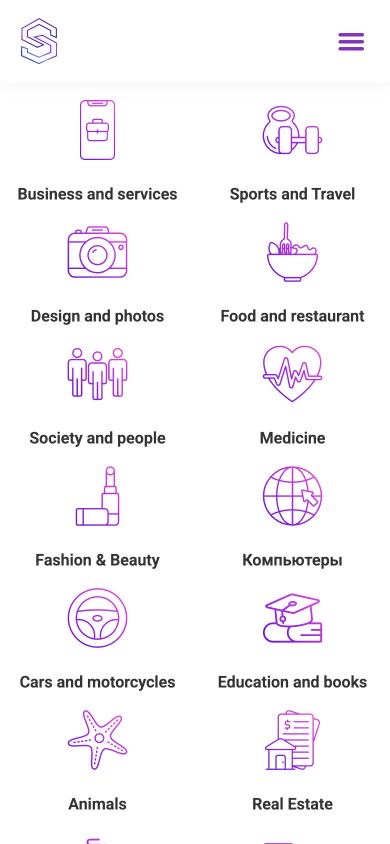
01 Group 22 Directions Healthcare and Medical Medical practices, clinics, telemedicine, therapy, diagnostics and care providers. Open group 02 Group 16 Directions Wellness and Personal Care Beauty, wellness, fitness and personal care businesses with booking and local demand. Open group 03 Group 22 Directions Home and Local Services Local service businesses for homes, repairs, maintenance and service-area operations. Open group 04 Group 14 Directions Construction and Trades Construction companies, contractors, trades, architecture, engineering and property maintenance. Open group 05 Group 14 Directions Real Estate and Property Real estate agencies, property management, rentals, developers and property platforms. Open group 06 Group 16 Directions Professional Services Consulting, agencies, accounting, recruitment, IT services and B2B service providers. Open group 07 Group 16 Directions Legal and Finance Law firms, insurance, fintech, financial services, lending and advisory businesses. Open group 08 Group 14 Directions Education and Training Schools, courses, e-learning, tutoring, training and educational institutions. Open group 09 Group 18 Directions Retail and Ecommerce Retail stores, ecommerce brands, wholesale, subscriptions and online commerce businesses. Open group 10 Group 16 Directions Food and Hospitality Restaurants, cafes, food delivery, hotels, resorts and hospitality groups. Open group 11 Group 14 Directions Travel, Events and Entertainment Travel companies, event businesses, venues, entertainment and experience providers. Open group 12 Group 12 Directions Automotive and Transportation Auto services, dealerships, rentals, repair, towing and transport-related businesses. Open group

Technologies

Practical stack

A practical delivery stack for product interfaces, backend logic, integrations, analytics and scalable content architecture.

Tools
31
Groups
7
06 Language

HTML/CSS Development

At CodeMode, we leverage HTML and CSS to develop responsive, visually appealing web platforms and SaaS products. Our solutions integrate seamlessly with existing systems and focus...

Tailwind CSS
Open stack
07 Framework

Yii Framework

CodeMode utilizes Yii2 and Yii3 to create efficient web platforms, eCommerce solutions, and integrated SaaS applications. These frameworks ensure maintainability, scalability, and...

Open stack
08 Framework

Laravel Framework

CodeMode leverages Laravel to build robust web platforms, SaaS applications, and dynamic marketplaces. Seamlessly integrate APIs and enhance back-office workflows with a focus on...

Open stack
09 Framework

Symfony Backend Framework

CodeMode leverages Symfony to create advanced web platforms, SaaS products, and e-commerce solutions. With seamless integrations, strong maintainability, and a focus on...

Open stack

Next step

Plan a platform around traffic, leads and payments

  • Product version
  • Content structure
  • Integrations
  • Growth pages

CodeMode can shape the first version, content structure, integrations and growth pages before development starts.

Project context

Understanding MySQL's Role in Data Management

MySQL is a widely-used open-source relational database management system known for its robustness and reliability. It's often implemented in various web platforms, SaaS applications, and marketplace solutions to handle transactional processes efficiently. With its ability to provide structured data organization, MySQL ensures that users can create effective content structures, manage reporting efficiently, and utilize advanced search filters.


Core Problems Solved by MySQL

This technology excels in scenarios demanding high concurrency and data integrity, making it ideal for transactional platforms where consistent, accurate data is paramount. It is particularly effective for:

  • Managing large volumes of data while maintaining performance
  • Providing robust data validation and constraints
  • Facilitating complex queries with ease

When MySQL May Not Be the Best Fit

While MySQL offers numerous advantages, it may not be the ideal choice in specific situations, including:

  1. When dealing with unstructured data or heavy read/write loads where a NoSQL database may be more efficient.
  2. If the application requires advanced analytics and complex data types that MySQL might not support as well as other database technologies.

Integrations with MySQL

MySQL seamlessly integrates with various programming languages and frameworks, such as PHP, Python, and Java, making it versatile for developers. Beyond coding languages, it also supports integration with data analytics tools like Apache Spark and business intelligence solutions. This connectivity enables businesses to harness their data more effectively and derive valuable insights.


SEO and Maintainability Considerations

From a search engine optimization perspective, using MySQL can enhance website performance because of its ability to efficiently manage structured data. Well-optimized queries contribute to faster loading times, which is a crucial factor in SEO rankings. However, maintainability risks may arise from poorly structured databases, leading to inefficient queries and increased load times. Regular database audits are essential to prevent performance bottlenecks.


Next Steps for Implementation

To implement MySQL effectively, start by mapping out your database schema to ensure that it aligns with your business needs. Next, focus on optimizing database queries for performance and scalability. Consider investing time in training your team on best practices for database management and maintenance to minimize risks. Finally, keep monitoring database performance post-implementation to ensure it meets your evolving business requirements.