
Backend
SEO platform / Georgia
Sminion - Programmatic SEO and Content Platform Case Study for Georgia
Sminion is a content and SEO platform case focused on structured pages, editorial control, automation and scalable publishing workflows. Localized English version for Georgia.
- Market
- Content / SEO
- Screens
- 1
- Stack
- 7
Project visuals
How the project looks
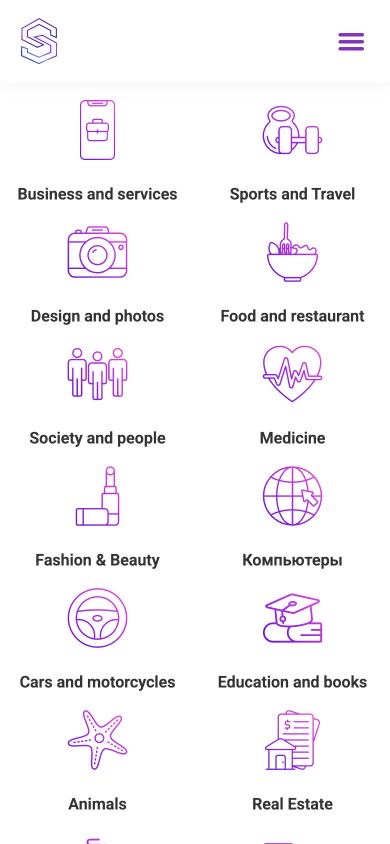
Screenshots show the visible product, not a generic service promise.
Technology stack
Technologies used in this project
Project work
What changed in the project
A quick read of the problem, goal, solution and outcome before the detailed page structure.
01
Problem
A content and SEO product needed to show how structured publishing can scale without losing editorial control.
02
Goal
Explain the platform value through page templates, workflow automation and content operations instead of generic SEO promises.
03
Solution
We positioned the case around structured pages, editorial controls, programmatic SEO logic and repeatable publishing workflows.
04
Result
Sminion reads as a product case for scalable content operations: users can see both the publishing logic and the business use.
Scope
- Structured pages Templates keep large content sets consistent and searchable.
- Editorial control Editors keep control over content quality, metadata and publishing state.
- Automation Repeatable workflows reduce manual work as content volume grows.
Signals
- Project market
- Content / SEO
- Page type
- Programmatic SEO platform
Page structure
How the work is organized
These blocks show what the visitor can evaluate on the project page: offer, trust, SEO coverage, conversion path and implementation logic.
01
Entry logic
First screen and decision path
The first screen must explain the product value through content scale and editorial control.
Project signal
A structured publishing platform for scalable content operations and programmatic SEO. sminion.com
Market context
Content / SEO
User path
Editors and operators need to control large page sets without losing quality or metadata.
02
Information architecture
Services, categories and page routes
The page structure shows how templates, content types and workflows create repeatable publishing.
Service map
Page templates, content entities, editorial controls, automation, metadata and publishing workflows.
Page logic
The page structure shows how templates, content types and workflows create repeatable publishing.
Content blocks
The first screen must explain the product value through content scale and editorial control.
03
Trust and conversion
Proof, CTA and request context
Trust is built through control, consistency, automation visibility and clear editorial responsibilities. The conversion path is less about a form and more about proving the system can scale content safely.
Trust layer
Trust is built through control, consistency, automation visibility and clear editorial responsibilities.
CTA path
The conversion path is less about a form and more about proving the system can scale content safely.
Request context
Editors and operators need to control large page sets without losing quality or metadata.
04
Growth layer
How the structure can scale
The structure can grow through new content types, data sources, templates and SEO routes.
SEO growth
The structure can grow through new content types, data sources, templates and SEO routes.
Operations
Operational views keep publishing status, metadata and quality signals manageable.
Next iteration
The next iteration is deeper workflow analytics, content QA and template-level performance reporting.
Project FAQ
Questions this case answers
Short answers about what was built, why the structure matters and how the same approach can apply to a similar project.
01 What does the Sminion case show?
The case shows Sminion as a programmatic SEO and content operations platform for content / SEO. The page focuses on a platform for structured publishing, editorial control, metadata and scalable SEO pages instead of a generic company story.
02 What exactly was built in the project?
The work on Sminion covered content entities, templates, editorial statuses, publishing flows, metadata and page generation logic. This connects the visible page, content and user scenarios into one project result.
03 How does the project guide users toward a request?
In Sminion, the conversion logic is that the conversion is built around proving that the system can manage scale and quality, not only collecting a form. CTAs, forms and content therefore stay tied to a specific user intent.
04 How do FAQ and structure support SEO and project growth?
For Sminion, the SEO logic is that the structure scales through templates, data sources, content types and programmatic routes. FAQ adds direct answers to questions users ask before taking action.
05 What can be reused in a similar project?
A similar project can reuse the approach: the implementation connects content modeling, editorial workflow and SEO-ready page output. The important part is to preserve what makes Sminion specific: the case is about operational control for many pages instead of a single marketing page.