
Backend
Auto repair / Poland
AutoClinic - Automotive Repair Website and Service Funnel for Poland
AutoClinic is an automotive repair website case focused on explaining services, building trust and converting service intent into requests. Localized English version for Poland.
- Market
- Georgia
- Screens
- 2
- Stack
- 6
Project visuals
How the project looks
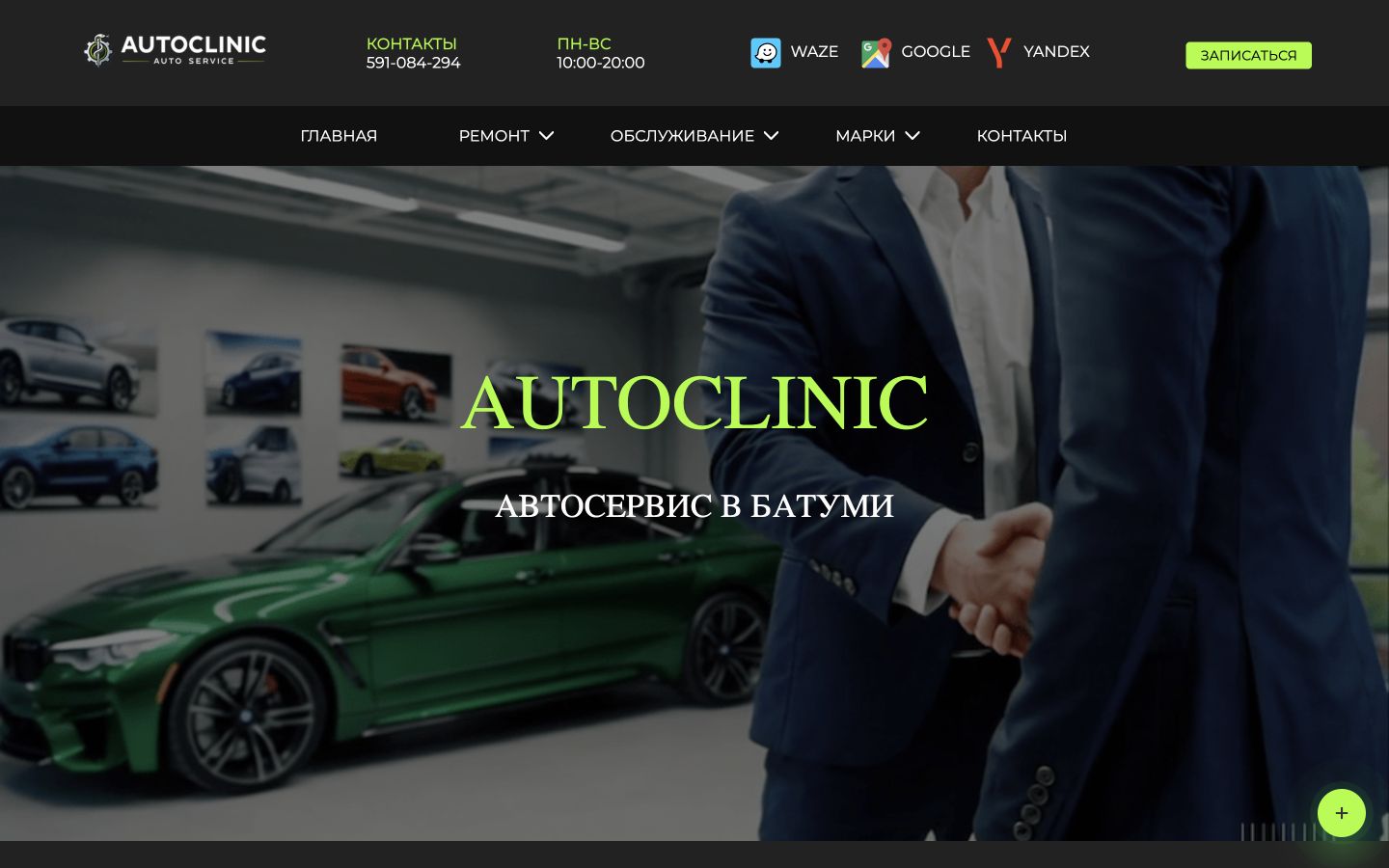
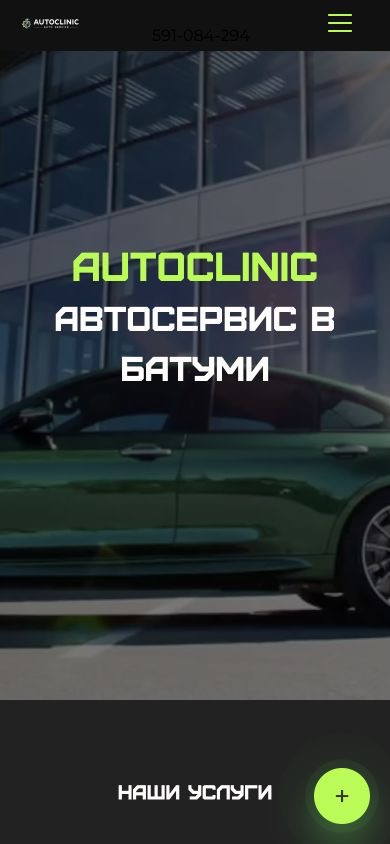
Screenshots show the visible product, not a generic service promise.
Technology stack
Technologies used in this project
Project work
What changed in the project
A quick read of the problem, goal, solution and outcome before the detailed page structure.
01
Problem
An automotive repair website needed to explain services clearly and convert repair intent into requests.
02
Goal
Make the service offer understandable for drivers who compare repair options and need trust signals before contacting.
03
Solution
We structured the page around repair services, trust-building content, service context and a direct request path.
04
Result
AutoClinic works as a focused repair website: visitors see what is offered, why the service is credible and how to request help.
Scope
- Repair services Service directions are presented as clear paths for drivers.
- Trust content Experience and service explanations reduce hesitation before contact.
- Request path The page keeps the next action visible for service intent.
Signals
- Project market
- Georgia
- Page type
- Automotive repair website
Page structure
How the work is organized
These blocks show what the visitor can evaluate on the project page: offer, trust, SEO coverage, conversion path and implementation logic.
01
Entry logic
First screen and decision path
The first screen must show what AutoClinic repairs and how a driver can request help.
Project signal
An automotive repair website for explaining services and turning repair intent into requests. autoclinic.ge
Market context
Georgia
User path
Drivers compare repair options and need a clear service offer before contacting the workshop.
02
Information architecture
Services, categories and page routes
The page structure groups repair services into easy-to-scan paths with supporting explanations.
Service map
Repair services, trust content, service explanations, local context and contact/request paths.
Page logic
The page structure groups repair services into easy-to-scan paths with supporting explanations.
Content blocks
The first screen must show what AutoClinic repairs and how a driver can request help.
03
Trust and conversion
Proof, CTA and request context
Trust is built through service clarity, experience signals and practical repair context. The conversion path keeps contact and request actions visible around service intent.
Trust layer
Trust is built through service clarity, experience signals and practical repair context.
CTA path
The conversion path keeps contact and request actions visible around service intent.
Request context
Drivers compare repair options and need a clear service offer before contacting the workshop.
04
Growth layer
How the structure can scale
The structure can expand by repair category, symptom, location and FAQ.
SEO growth
The structure can expand by repair category, symptom, location and FAQ.
Operations
The content model keeps repair service pages understandable and maintainable.
Next iteration
The next iteration is stronger service proof, richer diagnostics and more local landing pages.
Project FAQ
Questions this case answers
Short answers about what was built, why the structure matters and how the same approach can apply to a similar project.
01 What does the AutoClinic case show?
The case shows AutoClinic as an automotive repair website for Georgia. The page focuses on a workshop website that explains repair services and turns repair intent into contact instead of a generic company story.
02 What exactly was built in the project?
The work on AutoClinic covered repair service pages, trust content, service explanations, local context and request actions. This connects the visible page, content and user scenarios into one project result.
03 How does the project guide users toward a request?
In AutoClinic, the conversion logic is that drivers can identify the relevant repair category and contact the workshop from the service context. CTAs, forms and content therefore stay tied to a specific user intent.
04 How do FAQ and structure support SEO and project growth?
For AutoClinic, the SEO logic is that the structure can grow by repair category, symptom, FAQ and local page. FAQ adds direct answers to questions users ask before taking action.
05 What can be reused in a similar project?
A similar project can reuse the approach: editable service content and visible contact routes keep the site maintainable. The important part is to preserve what makes AutoClinic specific: the case shows how a workshop page can be more useful than a generic company profile.