Understanding the Role of Unions
Unions play a vital role in protecting workers' rights and interests in Georgia. They ensure that employees have a voice in negotiations regarding wages, benefits, and working conditions. By representing various sectors, unions create a collective power that can influence both local and national policies.
Benefits of Joining a Union
Joining a union offers numerous advantages for workers. From improved job security to better pay, unions are essential for a fair workplace. Here are some key benefits:
- Collective Bargaining: Unions negotiate contracts on behalf of their members, securing better employment terms.
- Access to Resources: Members gain access to educational resources and training that enhance their skills.
- Legal Support: Unions provide legal representation during disputes with employers.
- Advocacy: They lobby for policies that benefit workers, addressing issues like healthcare and retirement safety.
Current Challenges Facing Unions
Despite their many advantages, unions face significant challenges. The landscape of labor relations is ever-changing, and unions must adapt to new realities. Some current challenges include:
- Declining Membership: Many unions are experiencing a drop in membership, which affects their bargaining power.
- Legislative Restrictions: Changes in laws can limit union activities and member benefits.
- Technological Changes: Automation and digitalization can alter job availability, impacting union strength.
The Importance of Digital Presence
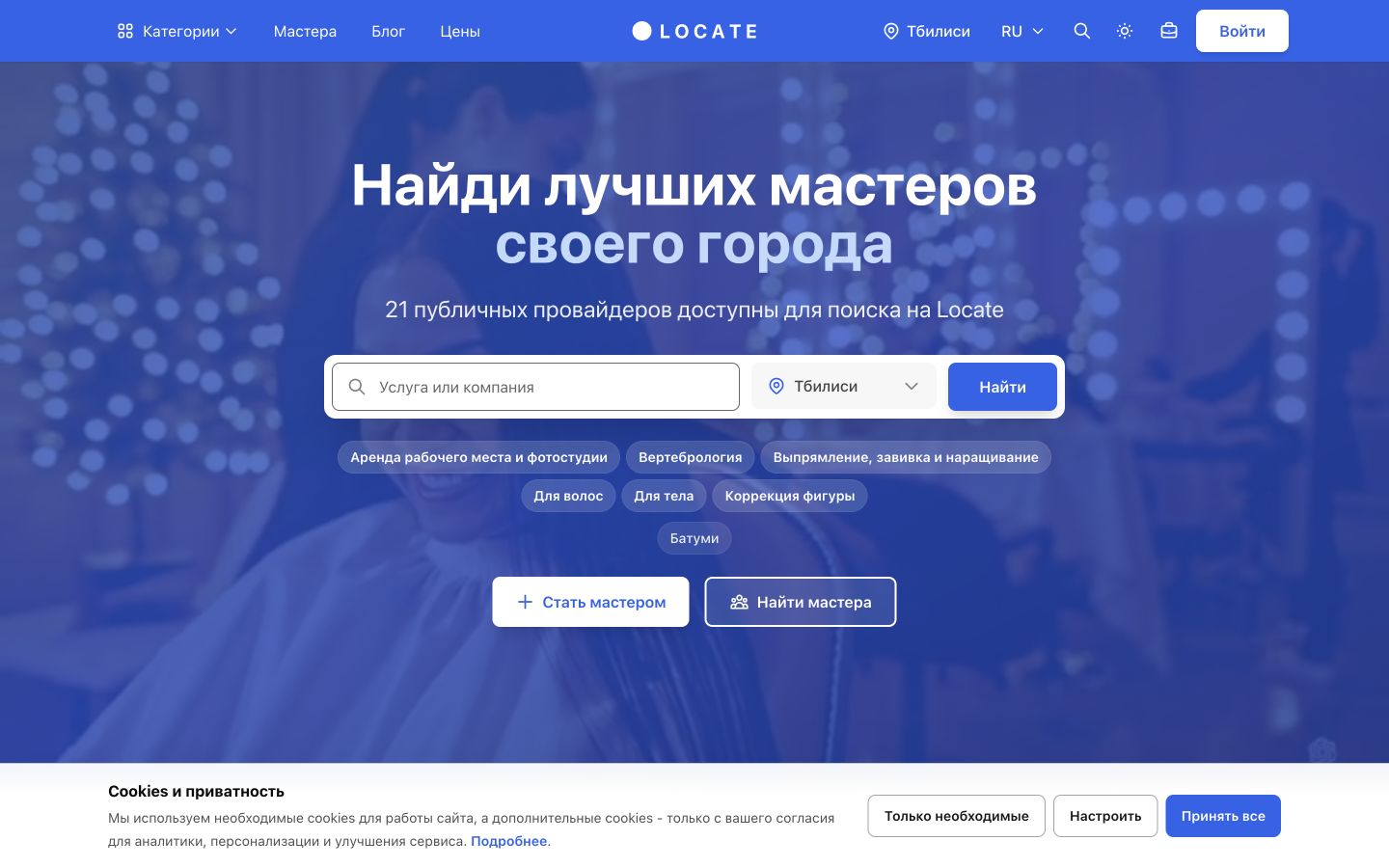
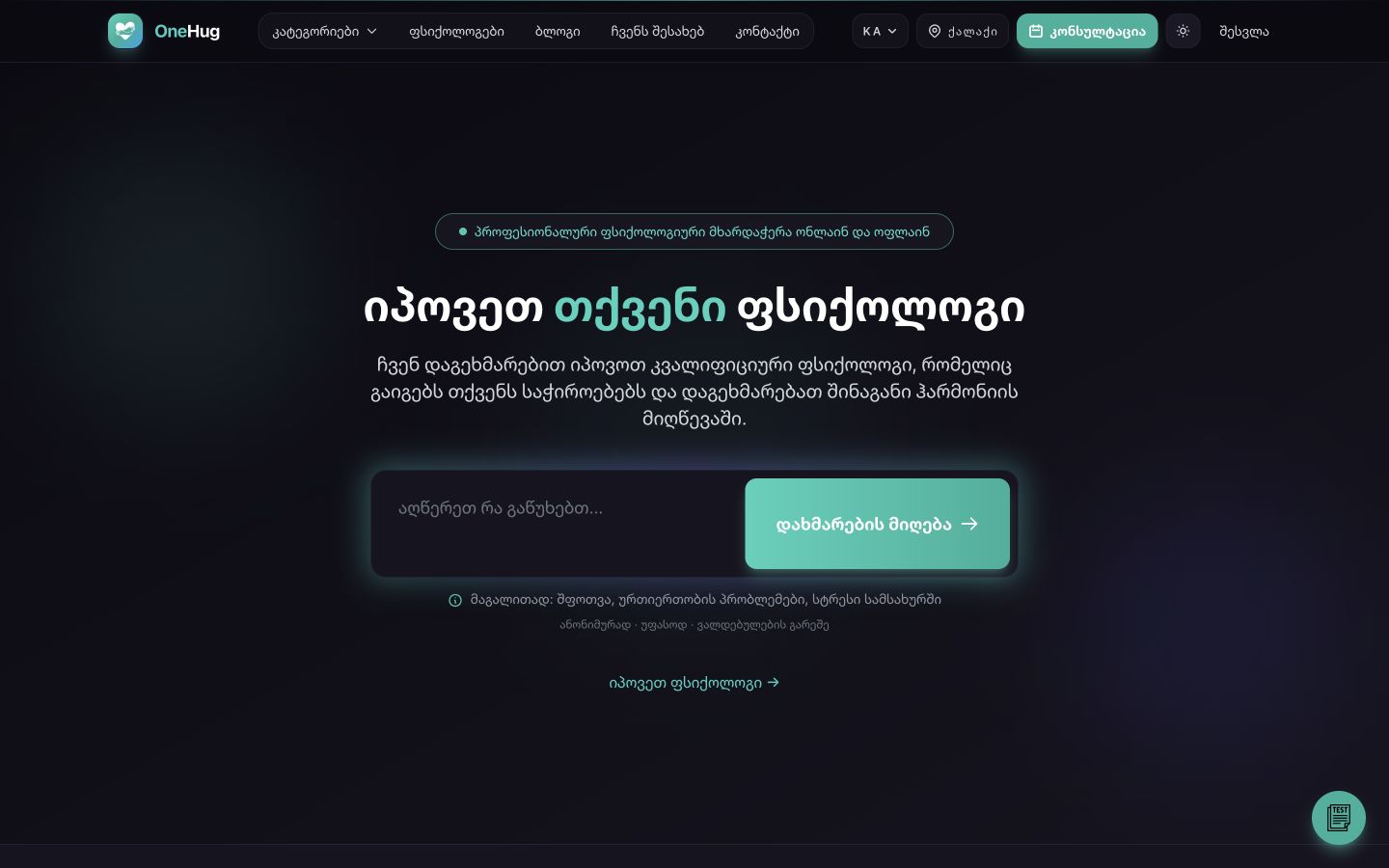
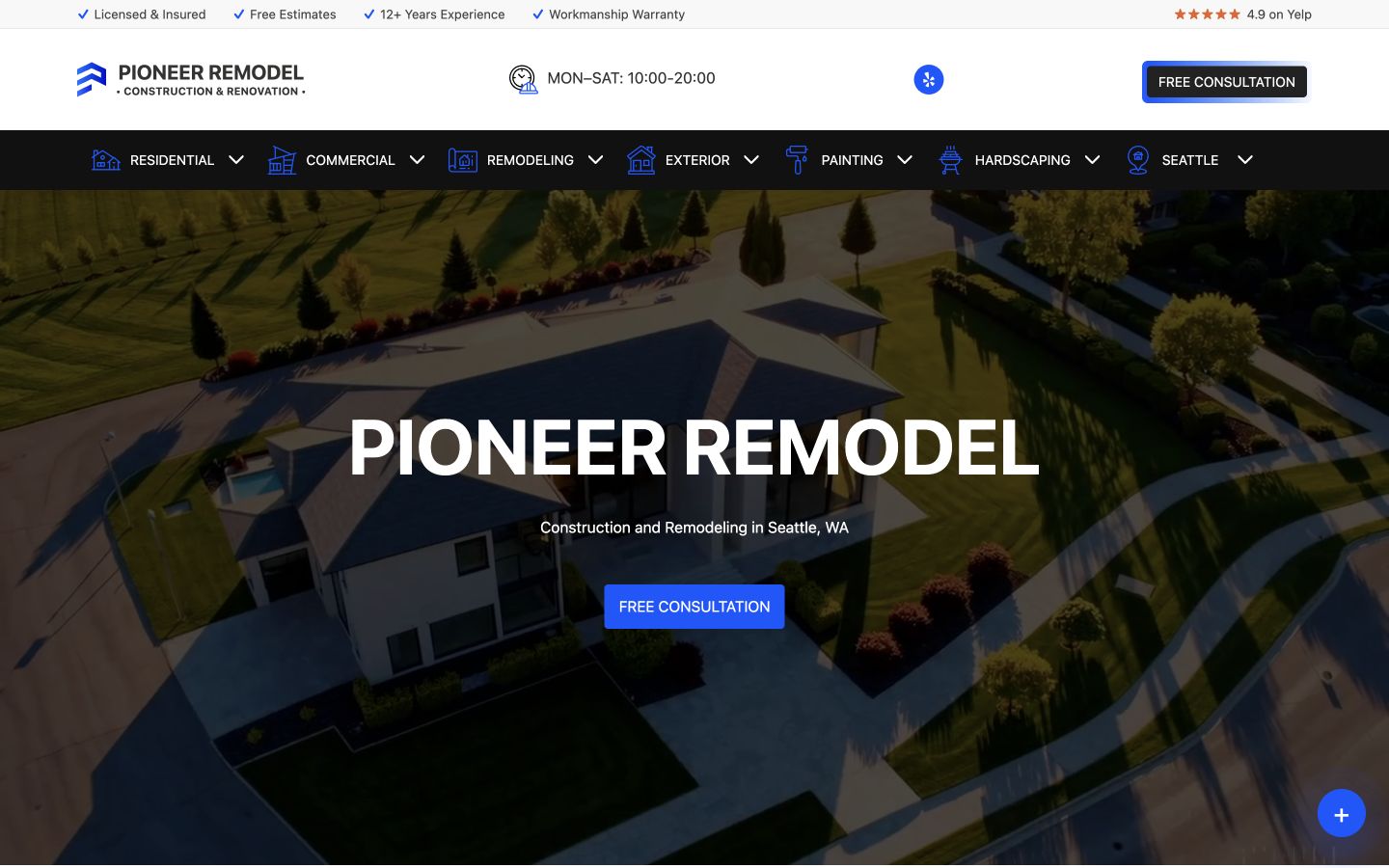
In today's digital age, a robust online presence is crucial for unions. This entails creating websites that effectively communicate their mission, benefits, and activities. Additionally, integrating tools for member engagement can enhance union activities. Here are essential features to consider:
- User-Friendly Website: An easily navigable site helps members find information quickly.
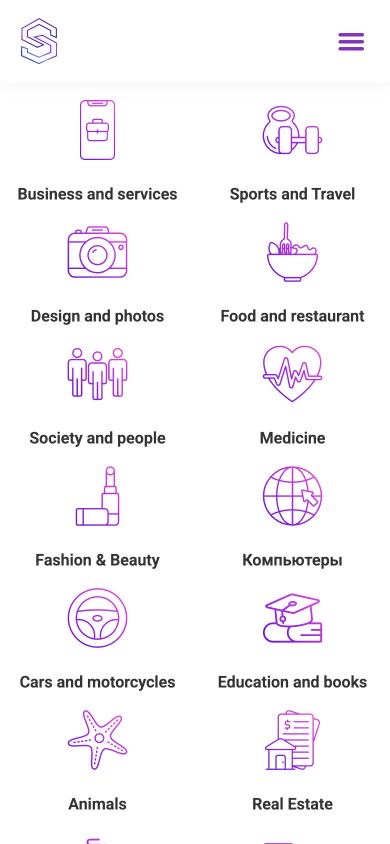
- Mobile Compatibility: Many union members access information via smartphones; responsive design is key.
- Social Media Integration: Utilize platforms like Facebook and Twitter to keep members informed and engaged.
- Online Membership Management: Streamlined systems to manage memberships, payments, and communications.
Analytics for Enhanced Decision-Making
Utilizing analytics can significantly enhance union strategies. By analyzing data, unions can better understand member demographics, engagement levels, and the effectiveness of campaigns. Key metrics to track include:
- Membership Growth: Monitoring trends in membership can help identify recruitment strategies.
- Engagement Rates: Assessing how members interact with communications aids in improving outreach efforts.
- Feedback Analysis: Collecting member feedback on policies and initiatives is vital for continuous improvement.
Next Steps for Unions in Georgia
As unions navigate an evolving landscape, the focus should remain on adapting to member needs and industry changes. Strengthening digital presence and utilizing analytics will support their mission effectively. The next steps include:
- Developing Comprehensive Training Programs: Enhance member skills to better meet industry demands.
- Building Partnerships: Collaborate with local businesses and organizations to strengthen community ties.
- Engaging with Young Workers: Foster connections with younger generations to ensure the future of union representation.
- Leveraging Technology: Implement modern tools for communication and advocacy.
By taking these steps, unions in Georgia can reinforce their position in the workforce and continue to advocate effectively for their members' rights and benefits.