Georgia Frontend Experts

Transform Your Online Presence with Expert Frontend Development in Georgia

Elevate your website's performance with expert frontend development services in Georgia. Our focus on web development, SEO strategies, and user interface design maximizes lead generation and enhances user engagement. Trust our dedicated team to analyze your analytics and create a rich online experience that drives conversions.

Page structure

What the build must prove

The category screen should quickly prove the market fit, commercial value, technical scope and next step for the selected region.

01 Intent

Search demand and task

The page ties the category to business goals, local demand and the queries a decision maker will use.

02 Conversion

Lead path

CTA, form, qualification logic and CRM handoff are visible before the project moves to production.

03 Architecture

Product structure

Roles, scenarios, integrations, content blocks and SEO modules are planned as one system.

04 Trust

Proof and analytics

Cases, FAQ, local details and events show why the page can attract and convert qualified traffic.

Use the structure as a checklist before estimating scope, content, integrations and analytics events.

Industries

Focused markets

Target niches where CodeMode can connect positioning, conversion flow, SEO pages and platform logic into one launch-ready system.

Groups
12
Directions
194
01 Group 22 Directions Healthcare and Medical Medical practices, clinics, telemedicine, therapy, diagnostics and care providers. Open group 02 Group 16 Directions Wellness and Personal Care Beauty, wellness, fitness and personal care businesses with booking and local demand. Open group 03 Group 22 Directions Home and Local Services Local service businesses for homes, repairs, maintenance and service-area operations. Open group 04 Group 14 Directions Construction and Trades Construction companies, contractors, trades, architecture, engineering and property maintenance. Open group 05 Group 14 Directions Real Estate and Property Real estate agencies, property management, rentals, developers and property platforms. Open group 06 Group 16 Directions Professional Services Consulting, agencies, accounting, recruitment, IT services and B2B service providers. Open group 07 Group 16 Directions Legal and Finance Law firms, insurance, fintech, financial services, lending and advisory businesses. Open group 08 Group 14 Directions Education and Training Schools, courses, e-learning, tutoring, training and educational institutions. Open group 09 Group 18 Directions Retail and Ecommerce Retail stores, ecommerce brands, wholesale, subscriptions and online commerce businesses. Open group 10 Group 16 Directions Food and Hospitality Restaurants, cafes, food delivery, hotels, resorts and hospitality groups. Open group 11 Group 14 Directions Travel, Events and Entertainment Travel companies, event businesses, venues, entertainment and experience providers. Open group 12 Group 12 Directions Automotive and Transportation Auto services, dealerships, rentals, repair, towing and transport-related businesses. Open group

Technologies

Practical stack

A practical delivery stack for product interfaces, backend logic, integrations, analytics and scalable content architecture.

Tools
31
Groups
7
06 Language

HTML/CSS Development

At CodeMode, we leverage HTML and CSS to develop responsive, visually appealing web platforms and SaaS products. Our solutions integrate seamlessly with existing systems and focus...

Tailwind CSS
Open stack
07 Framework

Yii Framework

CodeMode utilizes Yii2 and Yii3 to create efficient web platforms, eCommerce solutions, and integrated SaaS applications. These frameworks ensure maintainability, scalability, and...

Open stack
08 Framework

Laravel Framework

CodeMode leverages Laravel to build robust web platforms, SaaS applications, and dynamic marketplaces. Seamlessly integrate APIs and enhance back-office workflows with a focus on...

Open stack
09 Framework

Symfony Backend Framework

CodeMode leverages Symfony to create advanced web platforms, SaaS products, and e-commerce solutions. With seamless integrations, strong maintainability, and a focus on...

Open stack

Next step

Plan a platform around traffic, leads and payments

  • Product version
  • Content structure
  • Integrations
  • Growth pages

CodeMode can shape the first version, content structure, integrations and growth pages before development starts.

Project context

Understanding Frontend Development

Frontend development is the art and science of creating the user interface and experience of web applications. It involves utilizing various technologies to design and implement the visual elements a user interacts with directly. In Georgia, this field is rapidly evolving, and businesses are seeking professional developers to build responsive, dynamic websites that attract and retain customers.

The main components of frontend development include HTML, CSS, and JavaScript. These languages work together to create visually appealing and functional websites, ensuring a seamless user experience.

Core Components of Frontend Development

Frontend development relies on a variety of technologies and frameworks to achieve its goals. The most essential components include:

  • HTML (Hypertext Markup Language): The backbone of any web page, responsible for structuring content.
  • CSS (Cascading Style Sheets): Employed to style the displayed content, enhancing aesthetics and layout.
  • JavaScript: A scripting language that adds interactivity to websites, enabling dynamic content updates without reloading the page.
  • Frameworks: Tools like React, Angular, and Vue.js offer structures to streamline development and enhance productivity.

The Significance of User Experience (UX)

Creating an engaging user experience is critical in frontend development. A well-designed interface can significantly improve user retention and conversion rates. Key elements that contribute to effective UX include:

  1. Intuitive Navigation: Ensures users can easily find the information they seek.
  2. Responsive Design: Adapts to various screen sizes and devices, ensuring accessibility on desktop and mobile.
  3. Speed Performance: Affects how quickly pages load, with faster interfaces generally leading to higher user satisfaction.
  4. Consistency: A uniform look and behavior across pages helps to build familiarity and trust.

Integration with Other Technologies

Frontend developers often work in conjunction with backend developers to create cohesive web applications. Various integrations can enhance the functionalities of a website, including:

  • APIs (Application Programming Interfaces): Allow communication between the frontend and backend systems.
  • Database Connections: Facilitate data retrieval and storage, allowing dynamic content updates.
  • Analytics Tools: Implementing Google Analytics or similar helps track user behavior and conversions.
  • Content Management Systems (CMS): Systems like WordPress enable non-technical users to manage site content effortlessly.

SEO Strategies for Frontend Development

Effective frontend development is not just about appearance; it also plays a fundamental role in search engine optimization (SEO). Key strategies to consider include:

  1. Semantic HTML: Using appropriate tags enhances search engine understanding and indexing.
  2. Fast Load Times: Optimize images and scripts to encourage better rankings.
  3. Mobile Optimization: Ensures high performance on mobile devices, which is pivotal for SEO.
  4. Structured Data: Implementing schema markup to enhance search visibility and rankings.

Navigating Risks in Frontend Development

While frontend development offers abundant opportunities, several risks must be navigated carefully. These include:

  • Browser Compatibility: Ensuring consistent functionality across different browsers can be challenging.
  • Security Vulnerabilities: Frontend applications are susceptible to various attacks, such as cross-site scripting (XSS).
  • Performance Issues: Failure to address loading speeds and responsiveness can deter users.

Engaging a competent frontend development professional can mitigate these risks. They can implement best practices for security and compatibility, ensuring a robust application.

Exploring frontend development in Georgia opens doors for businesses eager to establish a credible online presence. By investing in this area, companies can enhance their visibility, drive traffic, and ultimately increase sales.

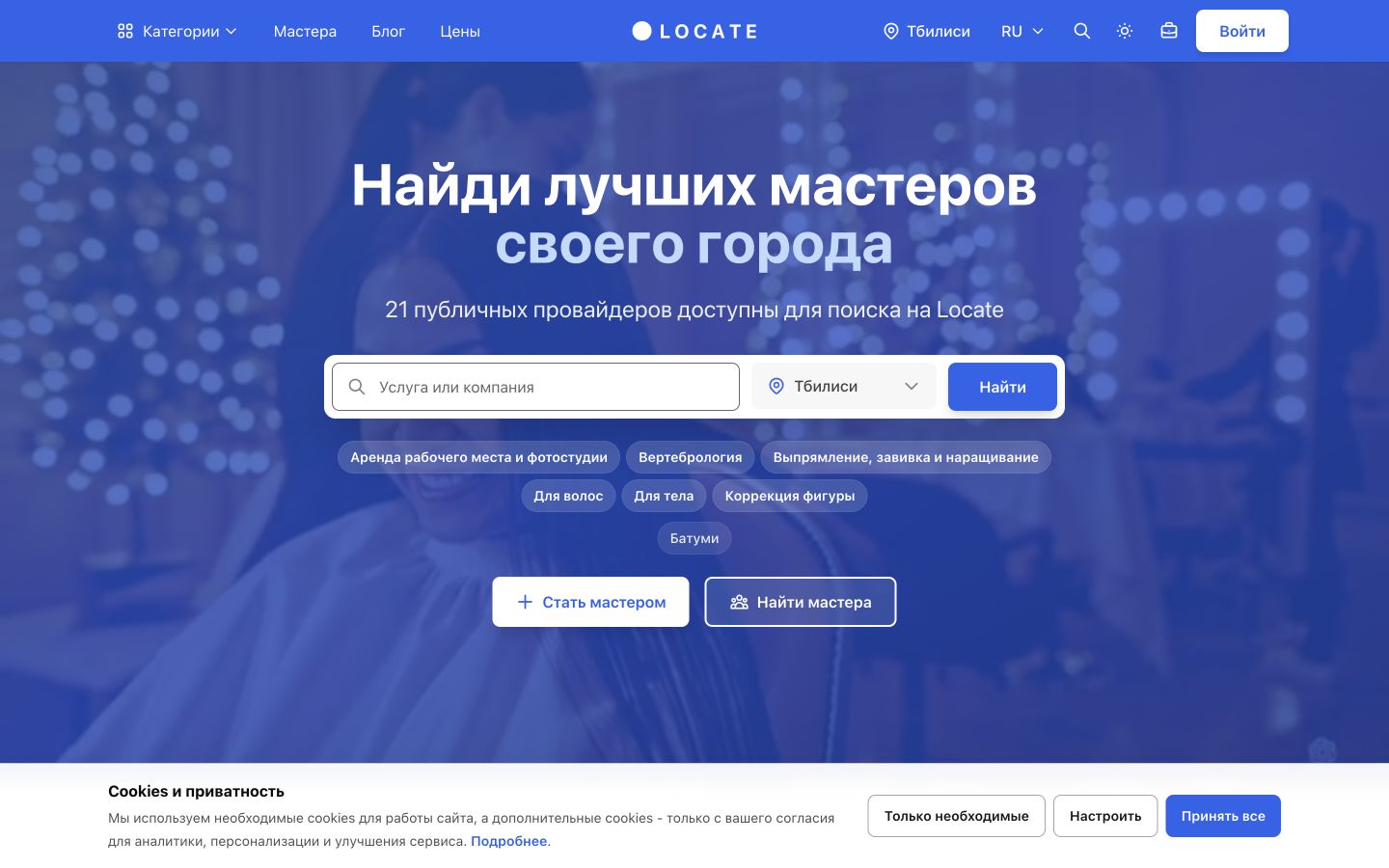
Frontend development plays a crucial role in shaping the initial interaction users have with your website. In Georgia, businesses are increasingly recognizing the importance of an engaging and functional website as a means to attract and retain customers. By focusing on responsive design, accessibility, and intuitive navigation, our frontend development solutions aim to optimize both aesthetic appeal and user experience. Our target audience includes startups and established businesses seeking to improve their online presence. We work closely with clients to understand their objectives, market expectations, and user needs, building trust through transparent communication and proven results. Our expertise in the local market positions us uniquely to provide tailored services that resonate with the regional audience, ensuring your website stands out amid the competition.