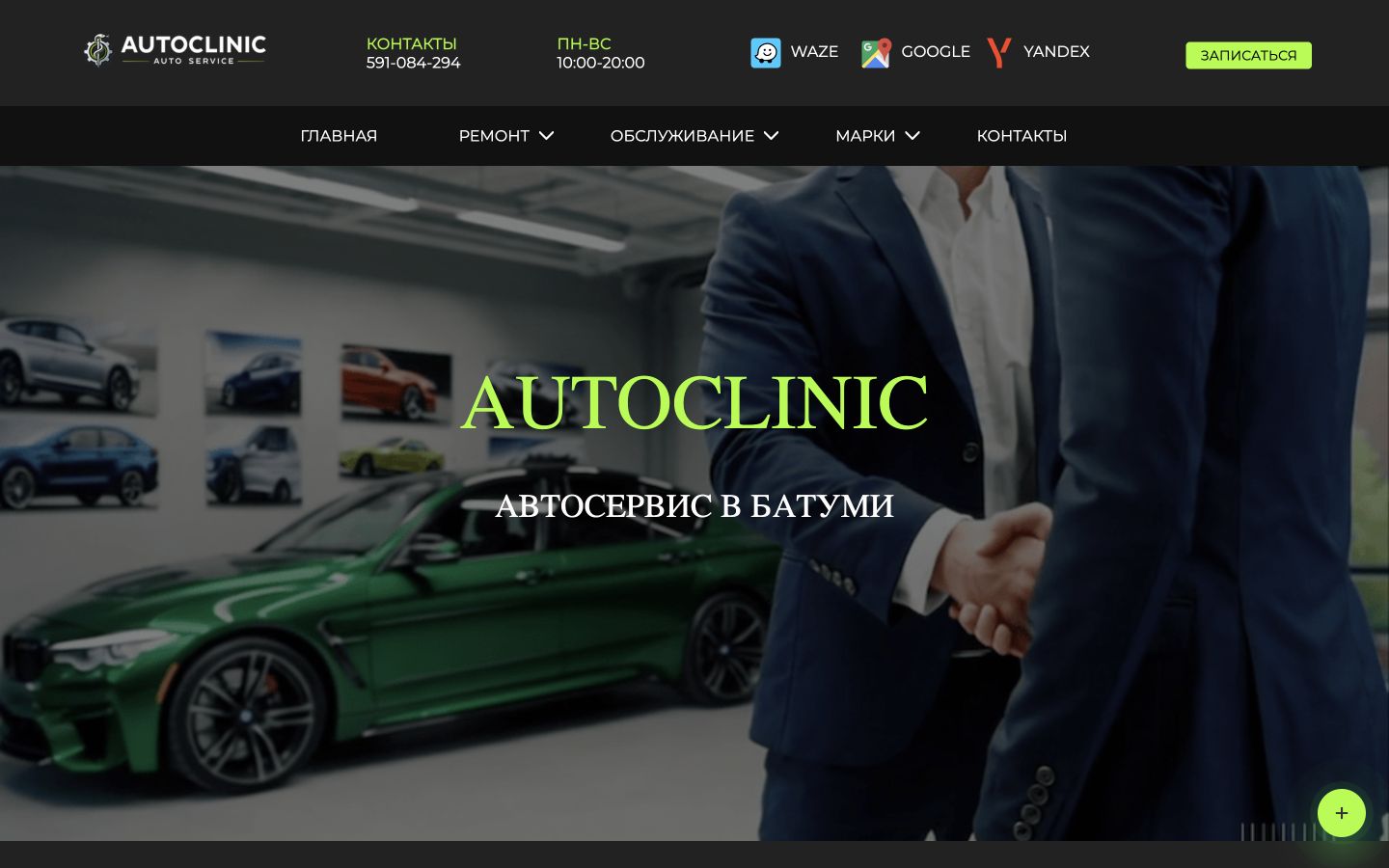
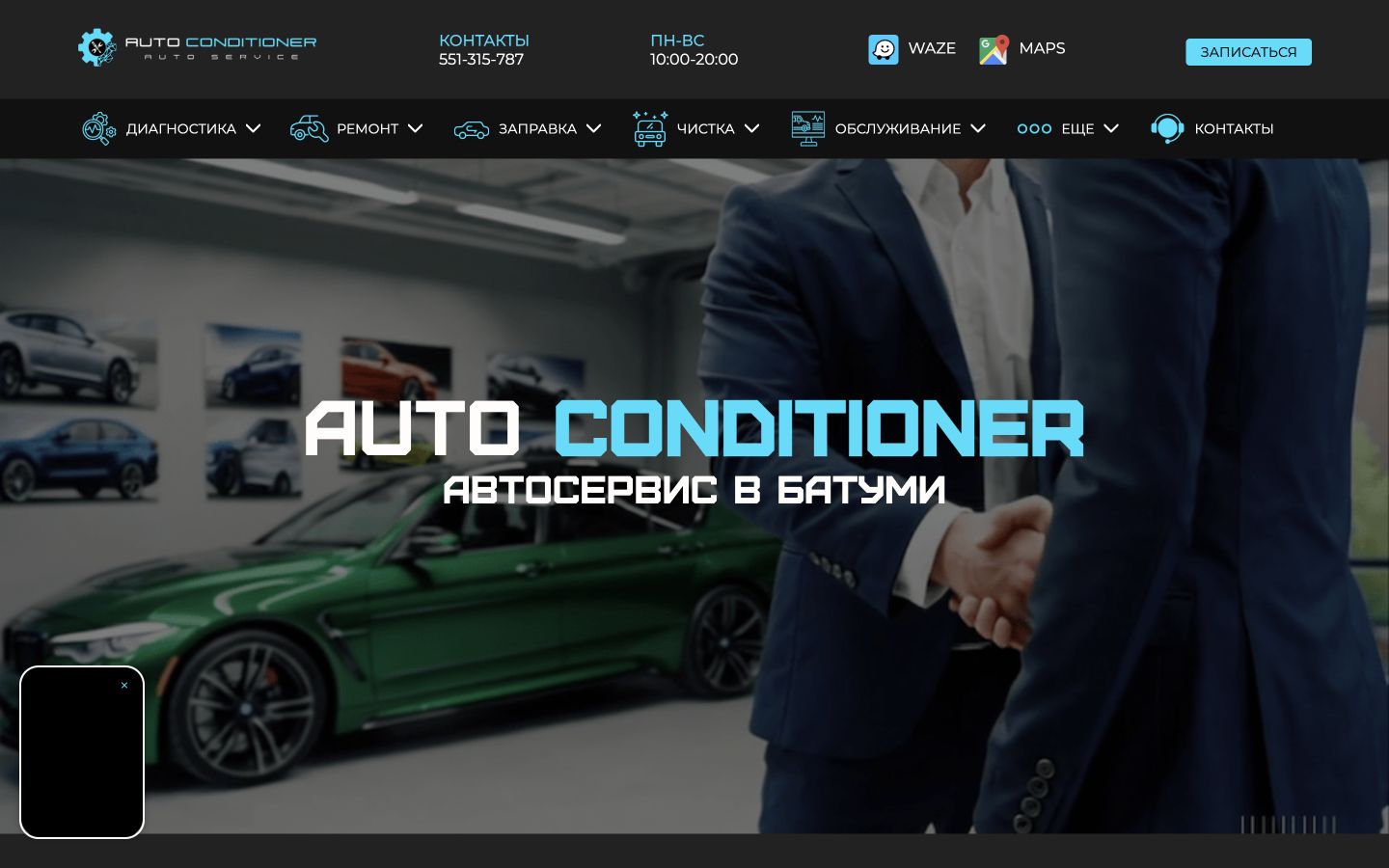
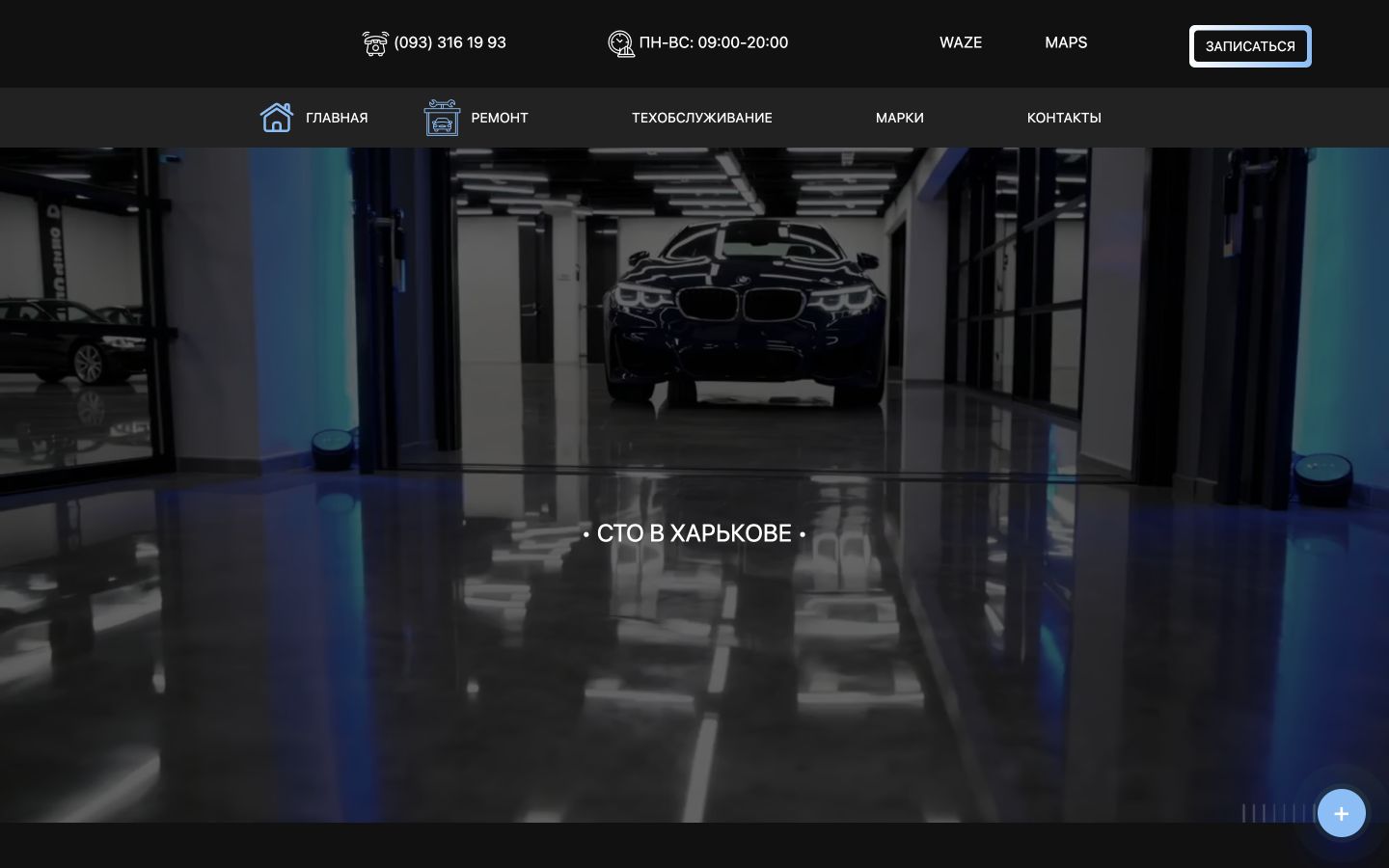
Your Design, Your System

Enhance Your Brand with Tailored Design System Development in Georgia

In Georgia, CodeMode offers expert Design System Development to align your digital presence with your brand identity. Our approach integrates web development and SEO strategies to optimize user experience, conquer the competitive landscape, and enhance conversion rates through innovative designs and analytics.

Your Custom Design System

Streamlined Design System Development Process

Our methodology ensures a cohesive design across all platforms, enhancing user experience and integrating scalability for future growth. Watch your ideas come to life.

Structured & Scalable
01 Discovery Session We gather your requirements and understand your brand vision.
02 Design Strategy Our team creates a tailored design strategy that aligns with your goals.
03 Development & Testing We meticulously develop the design system and perform extensive testing.
04 Launch & Support Post-launch, we provide ongoing support to ensure your design system adapts to your needs.

Page structure

What the build must prove

The category screen should quickly prove the market fit, commercial value, technical scope and next step for the selected region.

01 Intent

Search demand and task

The page ties the category to business goals, local demand and the queries a decision maker will use.

02 Conversion

Lead path

CTA, form, qualification logic and CRM handoff are visible before the project moves to production.

03 Architecture

Product structure

Roles, scenarios, integrations, content blocks and SEO modules are planned as one system.

04 Trust

Proof and analytics

Cases, FAQ, local details and events show why the page can attract and convert qualified traffic.

Use the structure as a checklist before estimating scope, content, integrations and analytics events.

Industries

Focused markets

Target niches where CodeMode can connect positioning, conversion flow, SEO pages and platform logic into one launch-ready system.

Groups
12
Directions
194
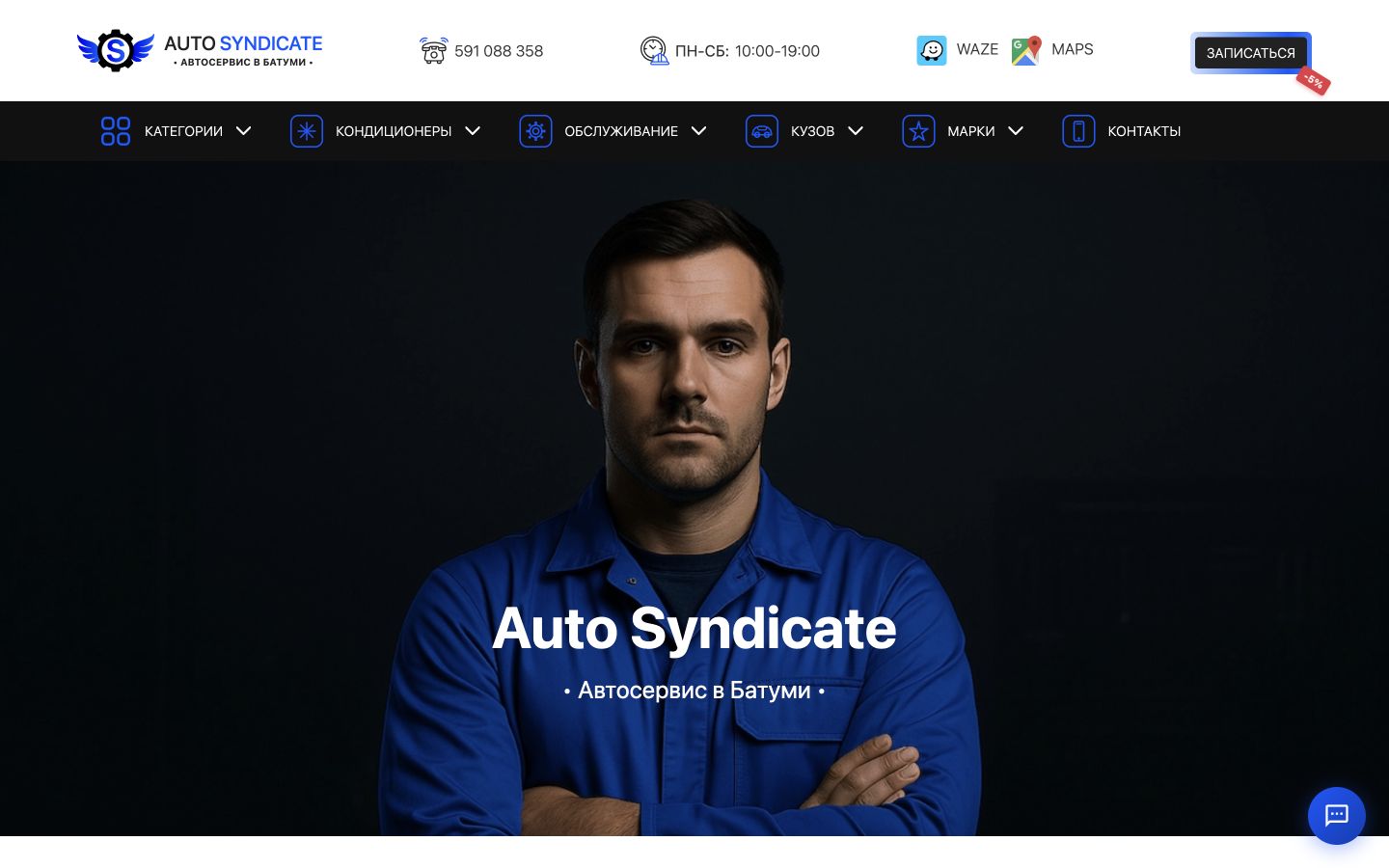
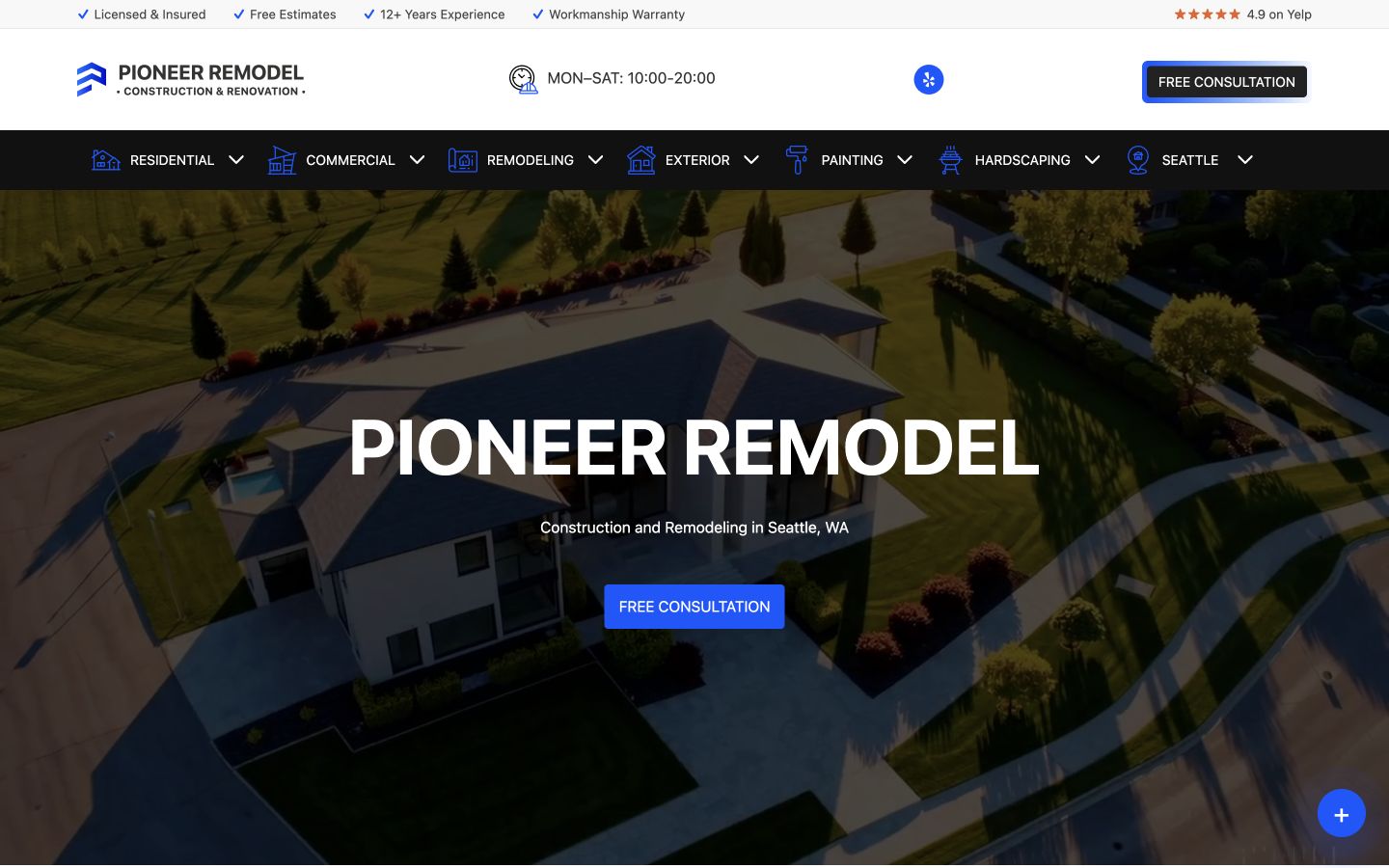
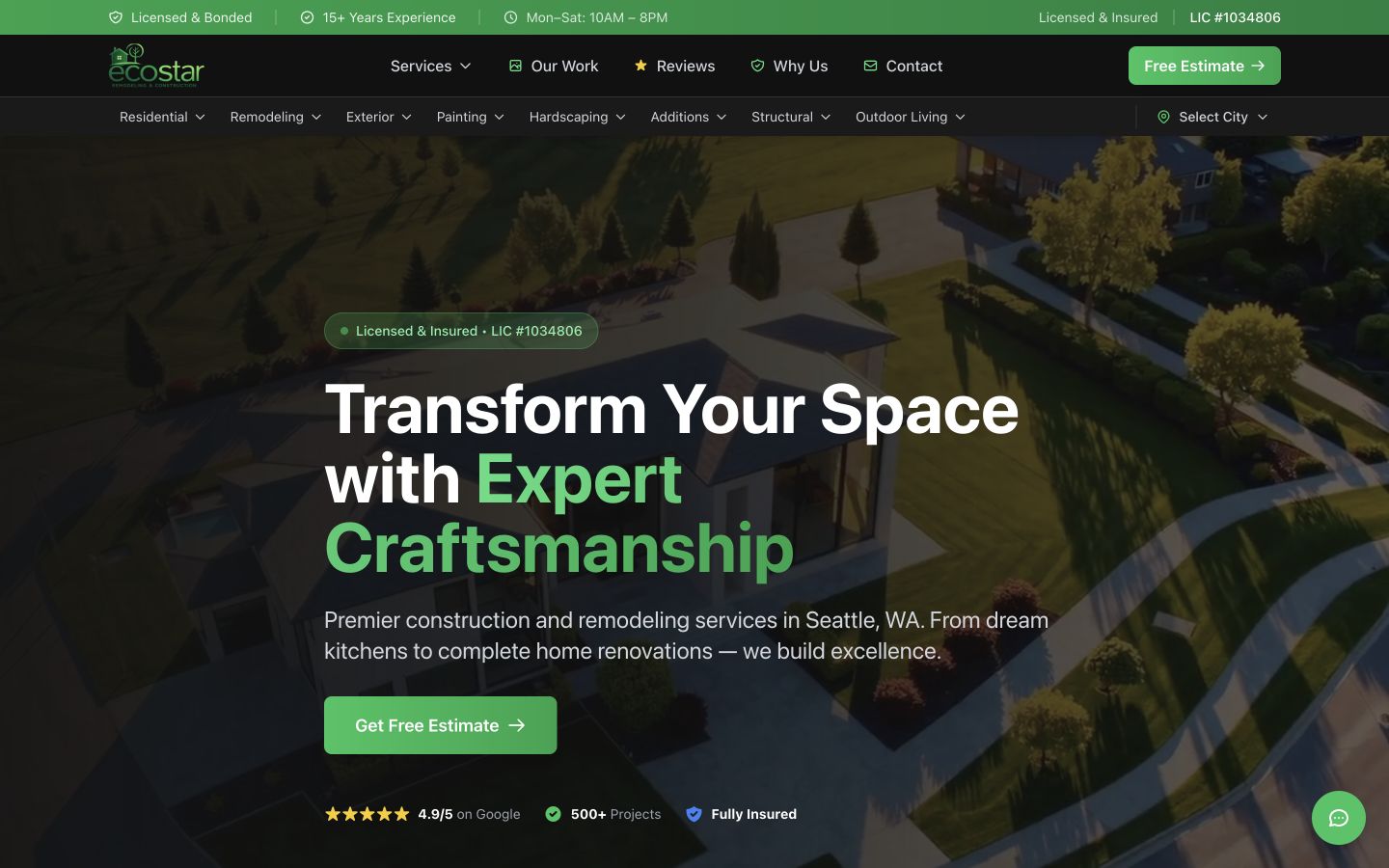
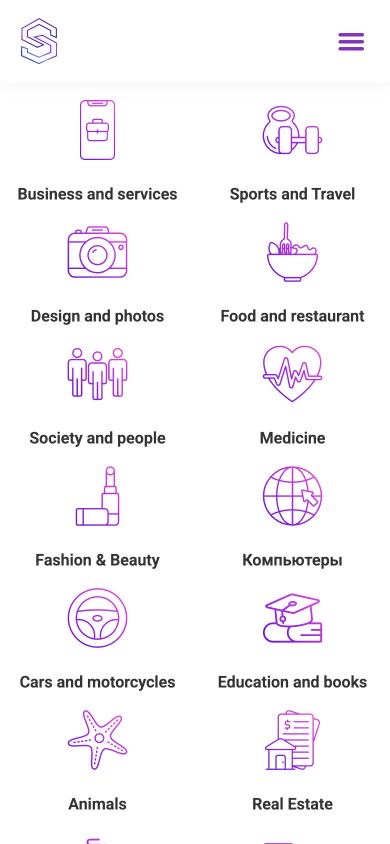
01 Group 22 Directions Healthcare and Medical Medical practices, clinics, telemedicine, therapy, diagnostics and care providers. Open group 02 Group 16 Directions Wellness and Personal Care Beauty, wellness, fitness and personal care businesses with booking and local demand. Open group 03 Group 22 Directions Home and Local Services Local service businesses for homes, repairs, maintenance and service-area operations. Open group 04 Group 14 Directions Construction and Trades Construction companies, contractors, trades, architecture, engineering and property maintenance. Open group 05 Group 14 Directions Real Estate and Property Real estate agencies, property management, rentals, developers and property platforms. Open group 06 Group 16 Directions Professional Services Consulting, agencies, accounting, recruitment, IT services and B2B service providers. Open group 07 Group 16 Directions Legal and Finance Law firms, insurance, fintech, financial services, lending and advisory businesses. Open group 08 Group 14 Directions Education and Training Schools, courses, e-learning, tutoring, training and educational institutions. Open group 09 Group 18 Directions Retail and Ecommerce Retail stores, ecommerce brands, wholesale, subscriptions and online commerce businesses. Open group 10 Group 16 Directions Food and Hospitality Restaurants, cafes, food delivery, hotels, resorts and hospitality groups. Open group 11 Group 14 Directions Travel, Events and Entertainment Travel companies, event businesses, venues, entertainment and experience providers. Open group 12 Group 12 Directions Automotive and Transportation Auto services, dealerships, rentals, repair, towing and transport-related businesses. Open group

Technologies

Practical stack

A practical delivery stack for product interfaces, backend logic, integrations, analytics and scalable content architecture.

Tools
31
Groups
7
06 Language

HTML/CSS Development

At CodeMode, we leverage HTML and CSS to develop responsive, visually appealing web platforms and SaaS products. Our solutions integrate seamlessly with existing systems and focus...

Tailwind CSS
Open stack
07 Framework

Yii Framework

CodeMode utilizes Yii2 and Yii3 to create efficient web platforms, eCommerce solutions, and integrated SaaS applications. These frameworks ensure maintainability, scalability, and...

Open stack
08 Framework

Laravel Framework

CodeMode leverages Laravel to build robust web platforms, SaaS applications, and dynamic marketplaces. Seamlessly integrate APIs and enhance back-office workflows with a focus on...

Open stack
09 Framework

Symfony Backend Framework

CodeMode leverages Symfony to create advanced web platforms, SaaS products, and e-commerce solutions. With seamless integrations, strong maintainability, and a focus on...

Open stack

Next step

Plan a platform around traffic, leads and payments

  • Product version
  • Content structure
  • Integrations
  • Growth pages

CodeMode can shape the first version, content structure, integrations and growth pages before development starts.

Project context

Understanding Design System Development

In today’s digital landscape, a robust design system is integral to ensuring consistency, scalability, and efficiency in product development. Design system development focuses on creating a cohesive set of components that can be reused across multiple applications, enhancing both user experience and development speed.

Core Components of a Design System

A well-crafted design system comprises various elements that work together to establish uniformity. These include:

  • UI Components: Buttons, input fields, and navigation menus that maintain consistent styles.
  • Typography: A set of defined fonts and styles that enhance readability and aesthetics.
  • Color Palette: A curated selection of colors that reflect brand identity.
  • Guidelines: Documentation that provides instructions on using components effectively.

The Benefits for Businesses in Georgia

For businesses in Georgia, implementing a design system can yield remarkable benefits:

  1. Enhanced Consistency: Ensures all products and platforms reflect a unified aesthetic and functional approach.
  2. Improved Efficiency: Streamlines the design and development process, reducing time-to-market.
  3. Better Collaboration: Fosters collaboration among teams with a shared understanding of design principles.

Integrations and Functionality

Design systems can be seamlessly integrated with various tools and platforms, which empowers teams to leverage shared resources efficiently. Common integrations include:

  • Version Control Software: Keeping track of design updates.
  • Prototyping Tools: Facilitating rapid testing and iteration of design components.
  • Analytics Tools: Monitoring user engagement to inform design decisions.

Analytics and Performance Evaluation

Incorporating analytics into your design system allows businesses to evaluate performance and user interaction effectively. By tracking critical metrics, companies can:

  1. Understand Usage Patterns: Identify which components are most effective.
  2. Gather User Feedback: Continuously refine design based on real user experiences.

Navigating Risks in Design System Development

Developing a design system does come with its share of challenges. Organizations must be prepared to address potential risks:

  • Inconsistencies: Inadequate documentation can lead to varied implementations.
  • Over-Engineering: Adding unnecessary complexity to the system can hinder usability.

By proactively identifying these risks and implementing structured guidelines, businesses can create effective, user-friendly design systems.

Next Steps for Your Design System

To kickstart your design system development journey, consider the following steps:

  1. Assess Needs: Identify specific requirements based on your business goals.
  2. Gather a Team: Assemble a cross-functional team of designers and developers.
  3. Create Documentation: Develop comprehensive guidelines for using design components.

Investing in a design system is pivotal for fostering consistency and improving the efficiency of product development in Georgia. By systematically addressing each component, businesses can harness the full potential of design system development.

Design systems are essential for brands looking to maintain a consistent and user-friendly experience across various digital platforms. By establishing a single source of truth for design components, teams in Georgia can streamline their processes, improve collaboration, and ensure scalability for future projects. The audience for these services includes businesses in various industries looking to enhance their digital footprint. Whether you are a startup aiming for a cohesive launch or an established company seeking to unify your design across platforms, our approach considers local aesthetics and global standards. Trust in CodeMode's expertise to deliver high-quality design systems that resonate with your target market and drive engagement.