Elevate User Interaction

Transform Your Marketplace with Innovative UX Design Solutions Across the United States

Marketplace UX Design is pivotal in creating engaging online platforms. In the US, CodeMode specializes in crafting responsive and user-friendly designs that align with SEO principles, driving traffic and conversion while providing insightful analytics.

Designing for User Delight

Creating Seamless Experiences for Marketplace Users

Our Marketplace UX Design process focuses on user-centric strategies, ensuring frustration-free navigation and enhanced user satisfaction. Discover the impact of effective design on engagement and retention.

Optimized for Success
01 User Research Conduct in-depth analysis of user needs and behavior to inform design decisions.
02 Wireframing Create blueprint layouts for intuitive navigation and interaction across the marketplace platform.
03 Prototyping Develop interactive prototypes to visualize user flow and refine the overall experience before development.
04 Testing & Feedback Perform usability tests and gather feedback to iterate and enhance design quality.

Page structure

What the build must prove

The category screen should quickly prove the market fit, commercial value, technical scope and next step for the selected region.

01 Intent

Search demand and task

The page ties the category to business goals, local demand and the queries a decision maker will use.

02 Conversion

Lead path

CTA, form, qualification logic and CRM handoff are visible before the project moves to production.

03 Architecture

Product structure

Roles, scenarios, integrations, content blocks and SEO modules are planned as one system.

04 Trust

Proof and analytics

Cases, FAQ, local details and events show why the page can attract and convert qualified traffic.

Use the structure as a checklist before estimating scope, content, integrations and analytics events.

Industries

Focused markets

Target niches where CodeMode can connect positioning, conversion flow, SEO pages and platform logic into one launch-ready system.

Groups
12
Directions
194
01 Group 22 Directions Healthcare and Medical Medical practices, clinics, telemedicine, therapy, diagnostics and care providers. Open group 02 Group 16 Directions Wellness and Personal Care Beauty, wellness, fitness and personal care businesses with booking and local demand. Open group 03 Group 22 Directions Home and Local Services Local service businesses for homes, repairs, maintenance and service-area operations. Open group 04 Group 14 Directions Construction and Trades Construction companies, contractors, trades, architecture, engineering and property maintenance. Open group 05 Group 14 Directions Real Estate and Property Real estate agencies, property management, rentals, developers and property platforms. Open group 06 Group 16 Directions Professional Services Consulting, agencies, accounting, recruitment, IT services and B2B service providers. Open group 07 Group 16 Directions Legal and Finance Law firms, insurance, fintech, financial services, lending and advisory businesses. Open group 08 Group 14 Directions Education and Training Schools, courses, e-learning, tutoring, training and educational institutions. Open group 09 Group 18 Directions Retail and Ecommerce Retail stores, ecommerce brands, wholesale, subscriptions and online commerce businesses. Open group 10 Group 16 Directions Food and Hospitality Restaurants, cafes, food delivery, hotels, resorts and hospitality groups. Open group 11 Group 14 Directions Travel, Events and Entertainment Travel companies, event businesses, venues, entertainment and experience providers. Open group 12 Group 12 Directions Automotive and Transportation Auto services, dealerships, rentals, repair, towing and transport-related businesses. Open group

Technologies

Practical stack

A practical delivery stack for product interfaces, backend logic, integrations, analytics and scalable content architecture.

Tools
31
Groups
7
06 Language

HTML/CSS

CodeMode specializes in HTML and CSS development to create intuitive, responsive interfaces. Our solutions prioritize accessibility and conversion, making it easy to integrate...

Tailwind CSS
Open stack
07 Framework

Yii2/Yii3 Framework

Utilizing Yii2 and Yii3, CodeMode builds powerful web platforms, SaaS solutions, and custom workflows. Our frameworks support essential integrations and maintainable...

Open stack
08 Framework

Laravel Framework

CodeMode leverages Laravel to create high-performance web applications, from SaaS platforms to complex APIs and eCommerce sites. With seamless integrations and a focus on...

Open stack
09 Framework

Symfony Framework

CodeMode utilizes the Symfony framework to develop highly scalable web platforms, SaaS applications, and backend solutions. With its modular architecture and extensive libraries...

Open stack

Next step

Plan a platform around traffic, leads and payments

  • Product version
  • Content structure
  • Integrations
  • Growth pages

CodeMode can shape the first version, content structure, integrations and growth pages before development starts.

Project context

Understanding Marketplace UX Design

Marketplace UX Design focuses on creating intuitive and efficient user experiences tailored specifically for online marketplaces. This field emphasizes the balance between user needs and business objectives, enabling platforms to foster stronger connections between buyers and sellers.

The Importance of User-Centric Design

In the competitive landscape of online marketplaces, delivering a seamless user experience can significantly impact customer satisfaction and retention. A user-centric approach helps businesses by:

  • Improving user engagement
  • Reducing bounce rates
  • Enhancing brand loyalty
  • Boosting conversion rates
  • Facilitating trust and transparency

Key Elements of Effective UX Design

An effective marketplace UX design includes several core components:

  1. Intuitive Navigation: Ensures users can easily find what they're looking for without frustration.
  2. Responsive Design: Adapts seamlessly across devices—from mobile to desktop—to enhance usability.
  3. Clear Call-to-Action: Guides users towards desired actions like purchasing or signing up.
  4. High-Quality Visuals: Engages the audience and presents products attractively.
  5. User Feedback Integration: Enables continual improvement through real user insights.

Integrating Analytics for Enhanced Insights

Monitoring user interactions through integrated analytics provides businesses with invaluable data. These insights can reveal:

  • User behavior patterns
  • Popular product categories
  • Drop-off points in the purchasing process
  • Effectiveness of marketing strategies
  • User preferences and trends

By leveraging analytics, marketplaces can continuously optimize the user experience based on data-driven decisions.

SEO in Marketplace UX Design

Search Engine Optimization (SEO) plays a crucial role in enhancing the visibility of your marketplace. Key strategies include:

  1. Keyword Research: Identifying the terms potential customers use can guide how you structure content.
  2. Optimized Product Descriptions: Crafting unique, engaging product descriptions can improve search rankings.
  3. Image Alt Text: Ensuring images have descriptive alt text can enhance image search visibility.
  4. UI/UX Best Practices: High-quality UX contributes to lower bounce rates, indirectly benefiting SEO.
  5. Local SEO Strategies: Targeting local markets can increase foot traffic and online sales.

Managing Risks in Marketplace UX Design

Every design process carries inherent risks, particularly in a dynamic marketplace environment. Common risks include:

  • Misunderstanding user needs, leading to a poor experience
  • Ignoring accessibility issues that may alienate potential customers
  • Falling behind competitive trends
  • Overemphasizing aesthetics at the expense of usability
  • Neglecting the importance of mobile optimization

By recognizing these risks early, businesses can implement strategies to mitigate them and ensure a successful design process.

Next Steps for Marketplace Success

To create a successful marketplace UX design, businesses should consider the following steps:

  1. Conduct User Research: Gather insights from your target audience to understand their pain points.
  2. Map User Journeys: Visualize how users will navigate your marketplace, pinpointing critical touchpoints.
  3. Prototype and Test: Develop prototypes and test them with real users to gather feedback.
  4. Launch and Monitor: Go live and continuously monitor user behavior and satisfaction metrics.
  5. Iterate Based on Feedback: Use collected data to refine and enhance the user experience.

By following these steps, businesses can create a dynamic and engaging marketplace that meets both user and organizational needs, driving long-term growth and success.

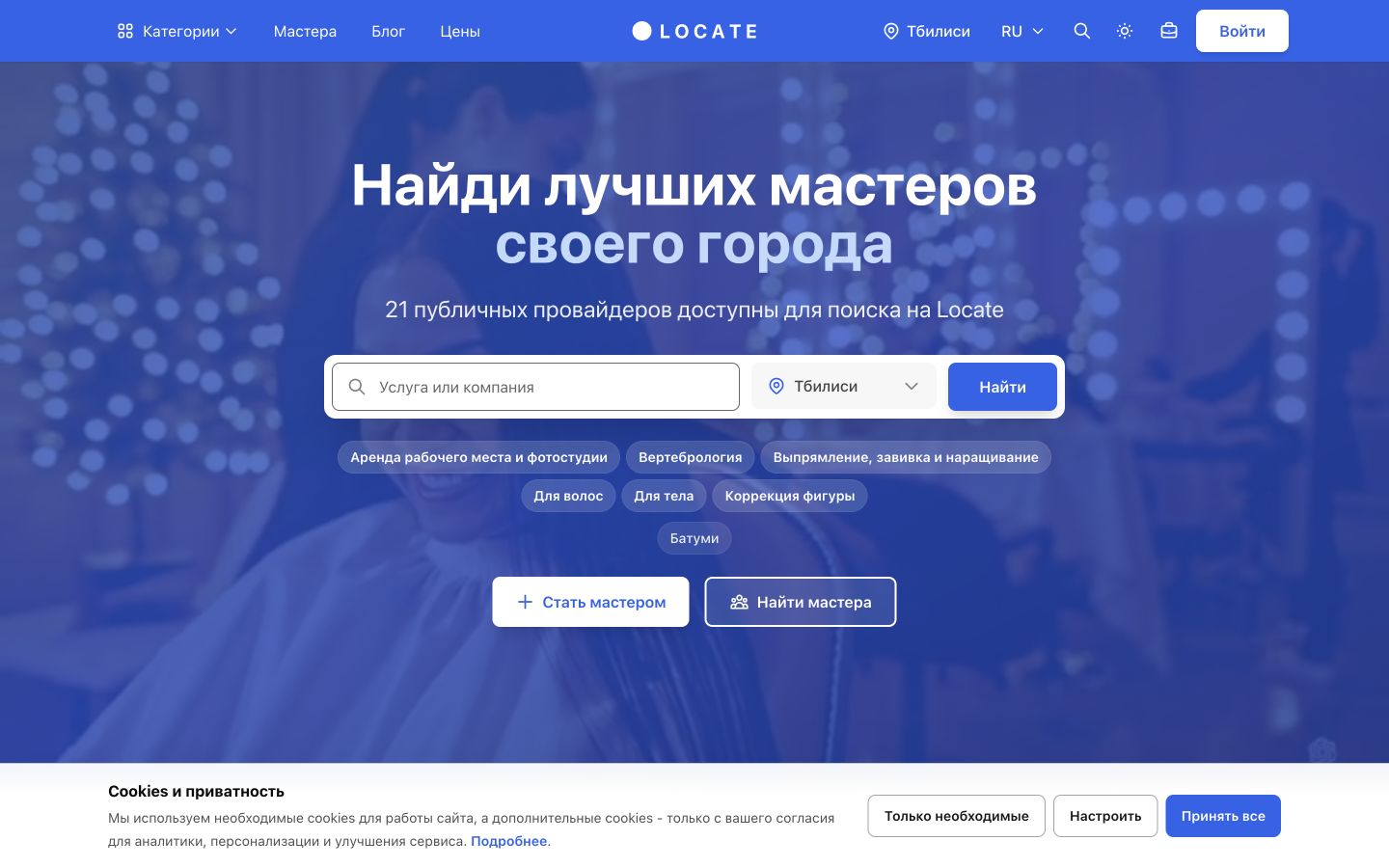
In the competitive landscape of online marketplaces, effective UX design is crucial to satisfy user expectations and promote business growth. Target audiences expect seamless experiences that facilitate browsing, searching, and transactions effectively. A well-designed marketplace not only attracts users but also retains them through intuitive navigation and engaging interfaces. Trust signals like reviews and ratings can be prominently displayed, reinforcing user confidence and boosting conversion rates. In the US, regional preferences may influence design aesthetics and functionality, necessitating localized research to ensure the design resonates with the intended audience. Partnering with CodeMode offers you access to cutting-edge design strategies tailored to the unique features and demands of the US marketplace.