Local Expertise, Nationwide Reach

Transform Your Business with Local Marketplace Development in the US

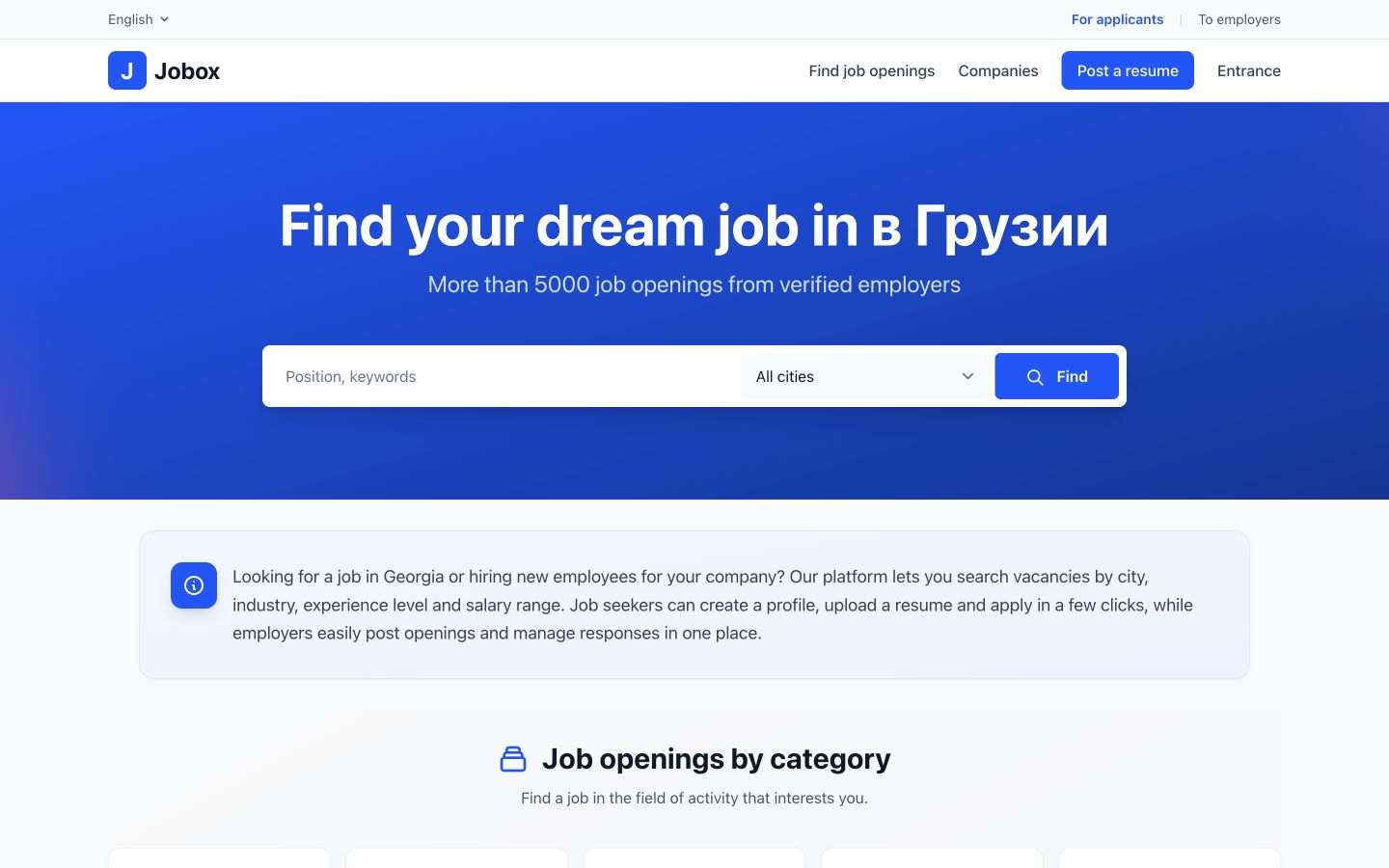
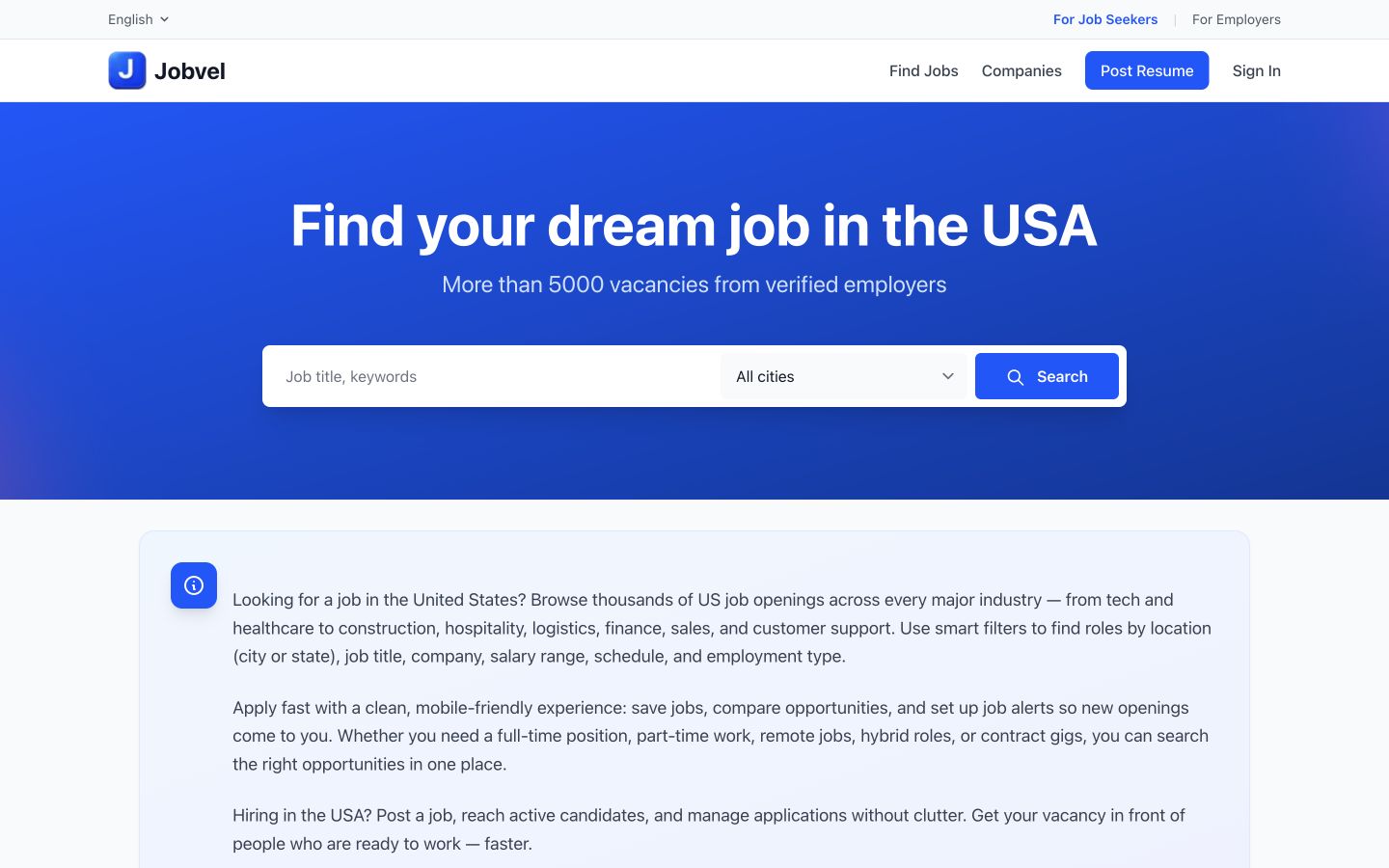
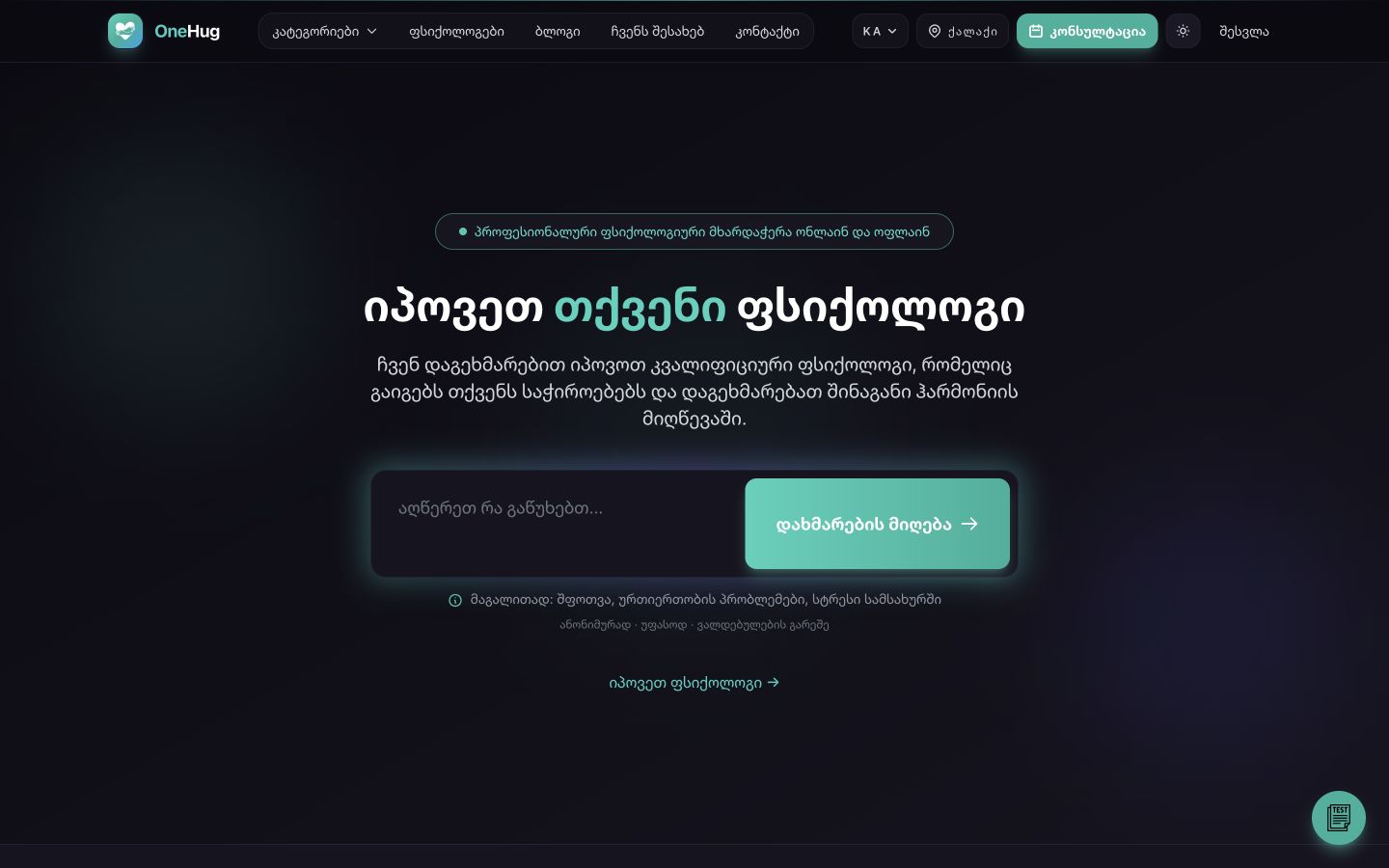
CodeMode specializes in local marketplace development across the United States. Our expert team combines web development skills with powerful SEO strategies to boost your online presence, generate qualified leads, and provide insightful analytics that help you thrive in your market.

Our Development Process

Steps to Build Your Local Marketplace

Discover our streamlined approach to developing local marketplaces that not only attract customers but also generate actionable insights for your business.

Your Marketplace Awaits
01 Consultation We analyze your business goals and marketplace potential.
02 Planning Our team drafts a tailored development strategy.
03 Development We build your marketplace using cutting-edge technologies.
04 Launch & Monitor Post-launch, we enhance your marketplace visibility and performance.

Page structure

What the build must prove

The category screen should quickly prove the market fit, commercial value, technical scope and next step for the selected region.

01 Intent

Search demand and task

The page ties the category to business goals, local demand and the queries a decision maker will use.

02 Conversion

Lead path

CTA, form, qualification logic and CRM handoff are visible before the project moves to production.

03 Architecture

Product structure

Roles, scenarios, integrations, content blocks and SEO modules are planned as one system.

04 Trust

Proof and analytics

Cases, FAQ, local details and events show why the page can attract and convert qualified traffic.

Use the structure as a checklist before estimating scope, content, integrations and analytics events.

Industries

Focused markets

Target niches where CodeMode can connect positioning, conversion flow, SEO pages and platform logic into one launch-ready system.

Groups
12
Directions
194
01 Group 22 Directions Healthcare and Medical Medical practices, clinics, telemedicine, therapy, diagnostics and care providers. Open group 02 Group 16 Directions Wellness and Personal Care Beauty, wellness, fitness and personal care businesses with booking and local demand. Open group 03 Group 22 Directions Home and Local Services Local service businesses for homes, repairs, maintenance and service-area operations. Open group 04 Group 14 Directions Construction and Trades Construction companies, contractors, trades, architecture, engineering and property maintenance. Open group 05 Group 14 Directions Real Estate and Property Real estate agencies, property management, rentals, developers and property platforms. Open group 06 Group 16 Directions Professional Services Consulting, agencies, accounting, recruitment, IT services and B2B service providers. Open group 07 Group 16 Directions Legal and Finance Law firms, insurance, fintech, financial services, lending and advisory businesses. Open group 08 Group 14 Directions Education and Training Schools, courses, e-learning, tutoring, training and educational institutions. Open group 09 Group 18 Directions Retail and Ecommerce Retail stores, ecommerce brands, wholesale, subscriptions and online commerce businesses. Open group 10 Group 16 Directions Food and Hospitality Restaurants, cafes, food delivery, hotels, resorts and hospitality groups. Open group 11 Group 14 Directions Travel, Events and Entertainment Travel companies, event businesses, venues, entertainment and experience providers. Open group 12 Group 12 Directions Automotive and Transportation Auto services, dealerships, rentals, repair, towing and transport-related businesses. Open group

Technologies

Practical stack

A practical delivery stack for product interfaces, backend logic, integrations, analytics and scalable content architecture.

Tools
31
Groups
7
06 Language

HTML/CSS

CodeMode specializes in HTML and CSS development to create intuitive, responsive interfaces. Our solutions prioritize accessibility and conversion, making it easy to integrate...

Tailwind CSS
Open stack
07 Framework

Yii2/Yii3 Framework

Utilizing Yii2 and Yii3, CodeMode builds powerful web platforms, SaaS solutions, and custom workflows. Our frameworks support essential integrations and maintainable...

Open stack
08 Framework

Laravel Framework

CodeMode leverages Laravel to create high-performance web applications, from SaaS platforms to complex APIs and eCommerce sites. With seamless integrations and a focus on...

Open stack
09 Framework

Symfony Framework

CodeMode utilizes the Symfony framework to develop highly scalable web platforms, SaaS applications, and backend solutions. With its modular architecture and extensive libraries...

Open stack

Next step

Plan a platform around traffic, leads and payments

  • Product version
  • Content structure
  • Integrations
  • Growth pages

CodeMode can shape the first version, content structure, integrations and growth pages before development starts.

Project context

Understanding Local Marketplace Development

Local marketplace development focuses on creating e-commerce platforms that facilitate transactions between local businesses and consumers. This approach enhances community engagement, supports small businesses, and appeals to consumers looking for localized options. Effective local marketplace strategies can significantly boost visibility for businesses in a competitive landscape.


The Importance of Community Engagement

Building a successful local marketplace means fostering a sense of community. Consumers are more likely to engage with a marketplace that showcases local goods, promotes nearby services, and actively involves the local population. Here are some ways to enhance community engagement:

  • Feature local artisans and businesses prominently on your platform.
  • Implement community events or promotions to drive traffic.
  • Encourage user-generated content through reviews and photos.

Core Features of Successful Local Marketplaces

When developing a local marketplace, several key features are essential to ensure functionality and user satisfaction. These features not only improve the user experience but also support effective business interactions:

  1. User-Friendly Interface: Simplified navigation and search functionality.
  2. Robust Payment Systems: Multiple payment options catering to consumer preferences.
  3. Mobile Compatibility: Ensure accessibility through mobile applications.
  4. Geo-targeted Promotions: Offers and advertisements tailored to specific locations.
  5. Secure User Profiles: Enable personalized experiences while ensuring data security.

Integrating Analytics for Success

Analytics play a vital role in the evolution of local marketplaces. By incorporating analytics tools, developers can track user behavior, measure engagement, and optimize marketing strategies. Key metrics to monitor include:

  • Conversion rates for different product categories.
  • User demographics and location data.
  • Time spent on the site and bounce rates.

These insights can inform decisions, allowing businesses to adapt quickly to changing consumer trends.


SEO Best Practices for Local Marketplaces

Search Engine Optimization (SEO) is crucial in developing local marketplaces. Effective SEO strategies help improve visibility and attract local traffic. Consider the following techniques:

  1. Local Keywords: Optimize for search terms specific to your area.
  2. Google My Business: Register to enhance local search visibility.
  3. Quality Content: Create engaging, informative content that speaks to local interests.
  4. Building Local Backlinks: Collaborate with other local businesses for mutual link-building opportunities.

Identifying and Mitigating Risks

While developing a local marketplace can yield significant rewards, it also comes with inherent risks. Understanding these risks is vital for sustainable growth:

  • Market Saturation: Assess local competition to avoid oversaturation.
  • Technological Challenges: Ensure robust tech infrastructure to handle user demand.
  • Regulatory Compliance: Stay abreast of local regulations affecting e-commerce

Anticipating these challenges allows you to create preventive strategies that safeguard your platform.


Next Steps for Development

Embarking on local marketplace development is an exciting venture. To kickstart your project, consider these essential steps:

  1. Conduct thorough market research to understand local needs.
  2. Develop a comprehensive business plan outlining goals and strategies.
  3. Choose a technology stack that offers scalability and flexibility.
  4. Engage with local stakeholders to gather insights and support.

Taking a measured approach to these steps will significantly enhance your chances for success in the marketplace landscape.


Local marketplace development goes beyond mere website creation. It’s about building a platform that connects local businesses with their community while leveraging modern technology to ensure visibility and engagement. With an ever-growing trend towards online shopping and service bookings, distinguishing your local marketplace is more crucial than ever. Our services focus on creating user-friendly interfaces, effective lead generation tactics, and robust analytics to track success. We work closely with local businesses across various industries, understanding their unique requirements and the regional market needs. Establishing trust is vital; therefore, we employ best practices that not only enhance your site’s ranking but also streamline user experience, making your marketplace a preferred choice for local customers. Our dedication to delivering successful outcomes sets us apart in the competitive landscape.