Transforming Retail through Technology
In today’s fast-paced retail environment, integrating technology into your operations is not just beneficial; it’s essential. Retailers across the United States are leveraging innovative solutions that streamline processes, enhance customer experiences, and improve overall efficiency. From engaging e-commerce platforms to comprehensive inventory management systems, the right tech stack can elevate your business.
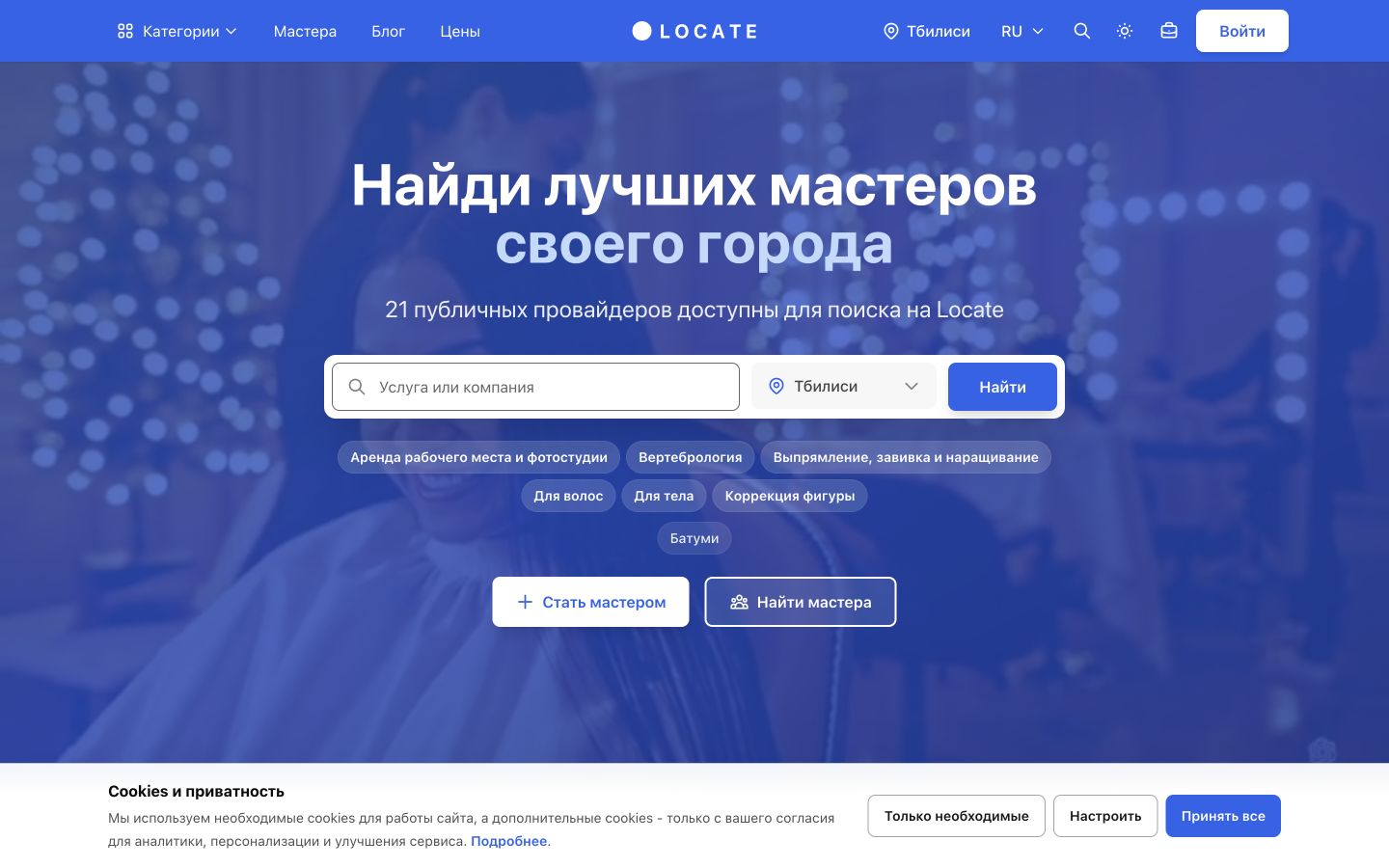
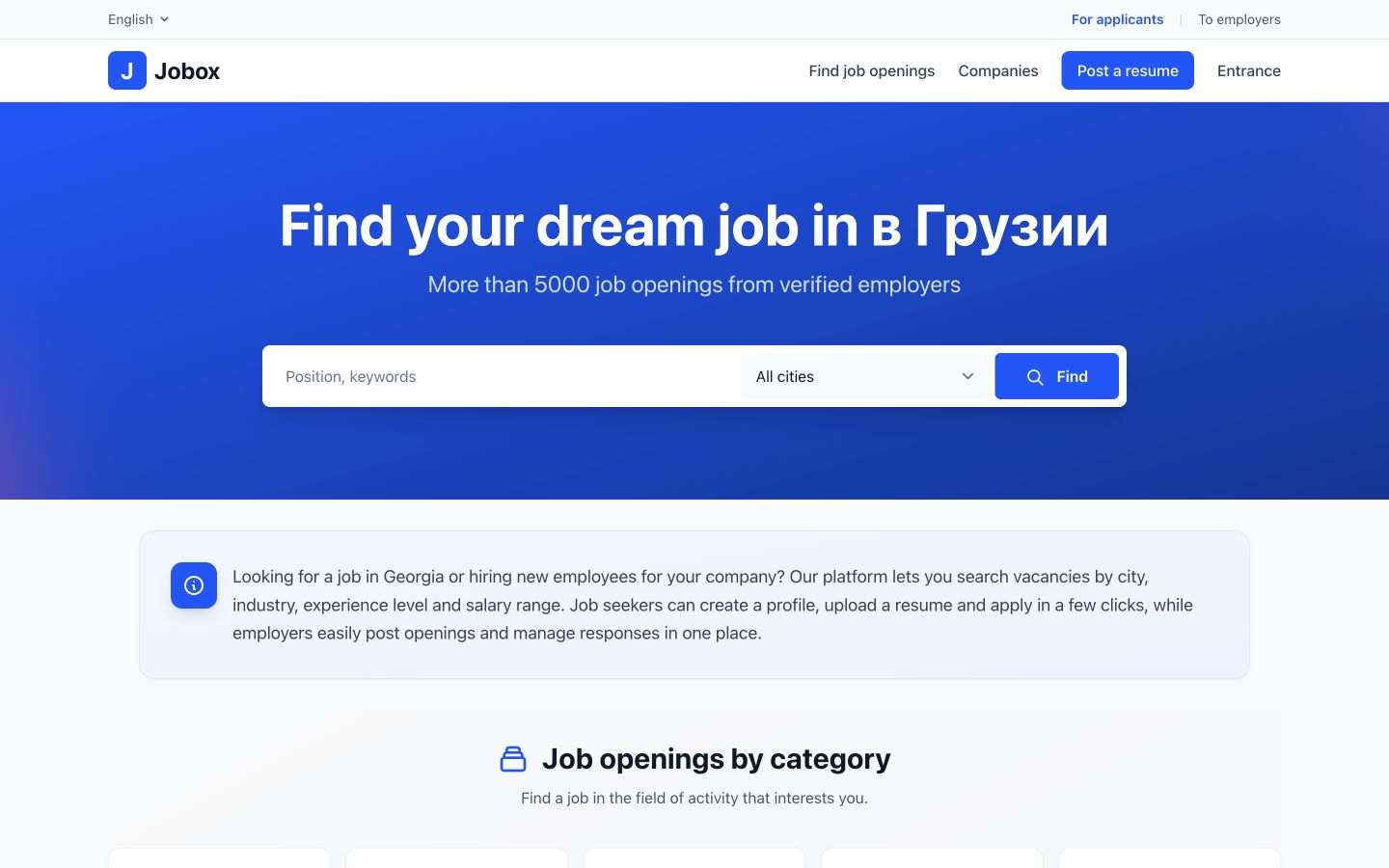
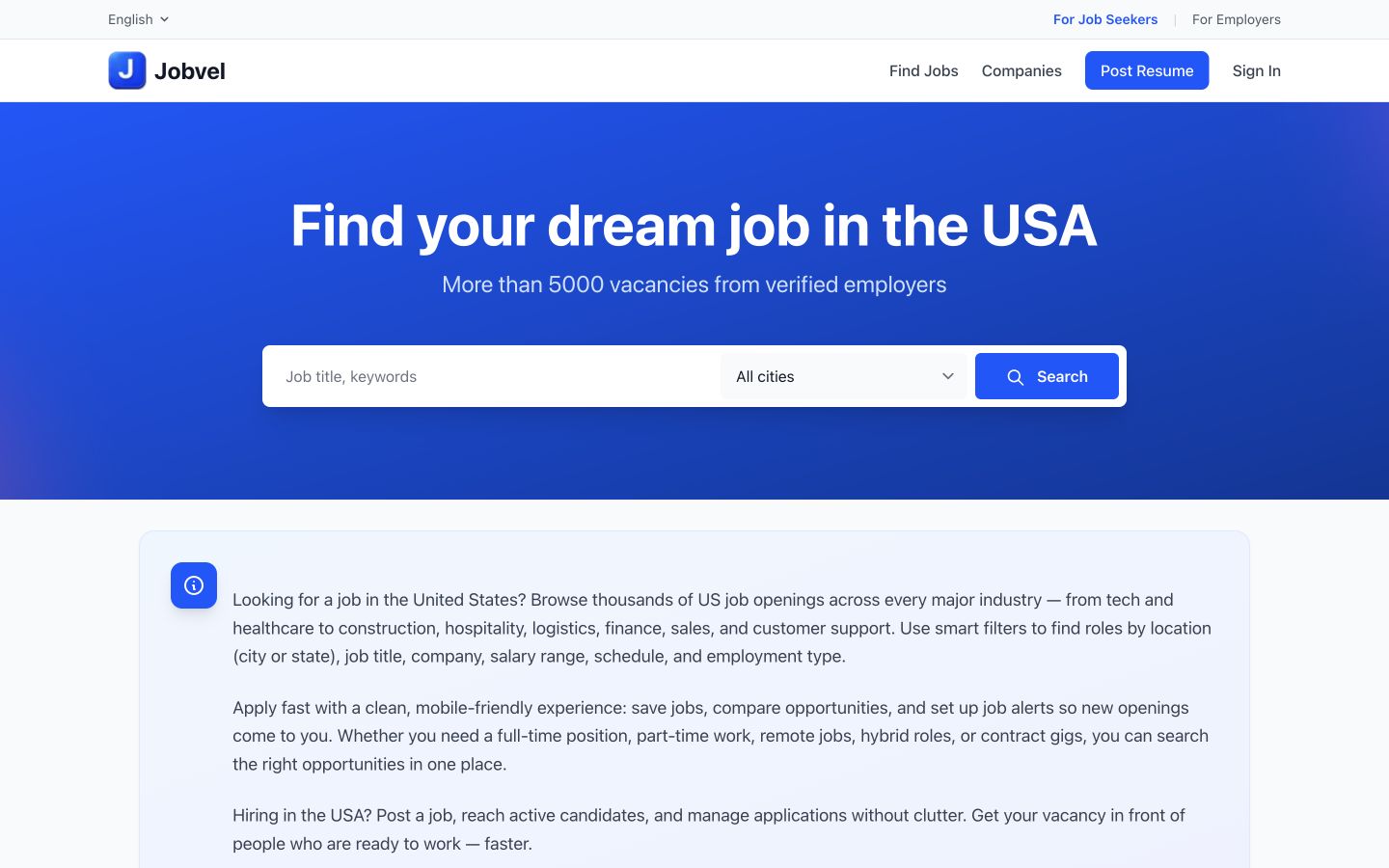
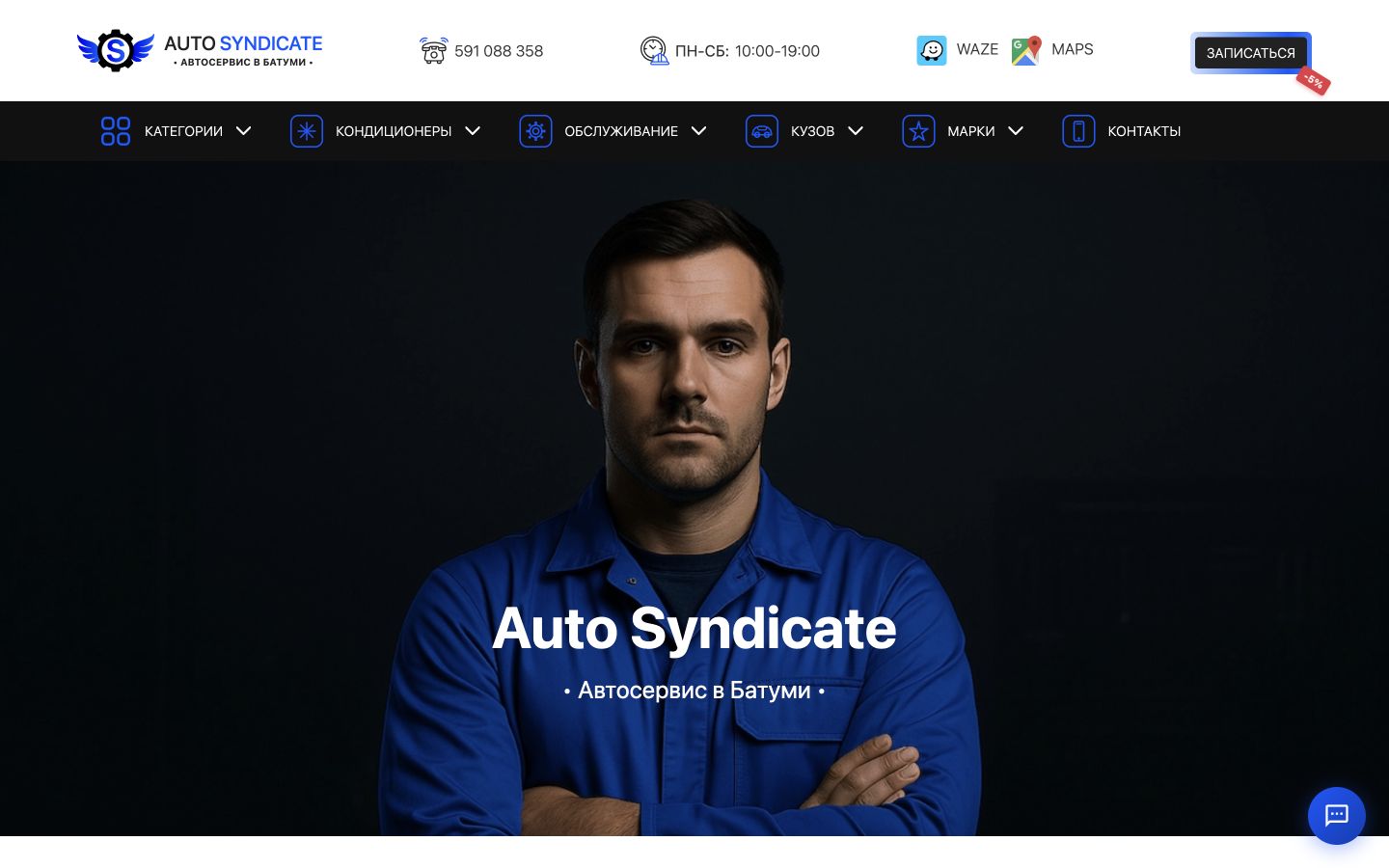
Website Development for Retail Success
A well-designed website is the cornerstone of any retail business in the digital age. It serves as your first point of contact with potential customers and plays a vital role in shaping brand perception. A responsive, user-friendly website can reduce bounce rates and significantly increase conversion rates. Consider investing in:
- Intuitive navigation
- High-quality product images
- Integrated customer reviews
- Secure payment gateways
- Real-time inventory updates
Marketplace and Booking Platforms
Marketplaces are becoming increasingly popular for retail businesses looking to reach a wider audience without the overhead of a traditional storefront. These platforms allow you to list products, manage orders, and interact with customers all in one place. Essential features for effective marketplace management include:
- Seamless onboarding processes for vendors
- Robust analytics for sales tracking
- User-generated content to boost engagement
- Customizable storefronts for brands
The Importance of SEO in Retail
Search Engine Optimization (SEO) is vital for retail businesses looking to improve online visibility. By utilizing the right keywords and optimizing your site structure, you can significantly enhance your website’s ranking on search engine results pages. Key strategies include:
- On-page SEO best practices
- Creating high-quality, keyword-rich content
- Optimizing for local search queries
- Building quality backlinks from reputable sites
Analytics: Understanding Customer Behavior
Data analytics is a powerful tool for retail businesses to understand customer preferences and behaviors. By implementing analytics tools, you can track metrics such as sales performance, customer demographics, and website traffic sources. This information is crucial for making informed decisions and crafting personalized marketing strategies. Effective analytics should include:
- Customer segmentation analysis
- Sales trend monitoring
- Conversion rate optimization
- Competitor analysis to identify market positioning
Coping with Retail Challenges
The retail sector faces numerous challenges, including stiff competition and rapidly changing consumer preferences. It’s crucial to be proactive in addressing these challenges to stay ahead. Strategies to navigate these issues include:
- Adopting omnichannel retailing to meet customers where they are
- Investing in supply chain transparency to improve trust
- Utilizing targeted marketing to reach specific demographics
- Regularly updating inventory to reflect current market trends
By leveraging these strategies and technologies, retail businesses can enhance their operations and ensure sustained growth. Staying ahead in the industry requires not only embracing technology but also adapting to changing market dynamics. Take the next step in revolutionizing your retail business by partnering with experts who can guide you through the integration of innovative solutions tailored to your unique needs.