Digital Innovation for Culture

Transform Your Museum or Gallery with Cutting-Edge Digital Solutions

Museums and galleries are evolving, and a strong online presence is crucial for driving visitor engagement and operational efficiency. CodeMode is dedicated to providing innovative web development services designed specifically for the cultural sector, which include interactive websites, analytics integration, and booking platforms tailored for your institution.

Crafting Experiences

Empower Your Institution with Our Services

Utilize CodeMode’s tailored solutions to create immersive experiences that captivate visitors and drive engagement in your museum or gallery.

Connecting Art & Audience
01 Consultation Phase Discuss your specific needs with our experts to identify the best solutions.
02 Design & Development We create customized websites and booking systems that reflect your unique brand.
03 Launch & Integration Implement and integrate your new platform seamlessly into existing operations.
04 Analytics & Optimization Regularly analyze visitor data and optimize your platform for improved engagement.

Industries

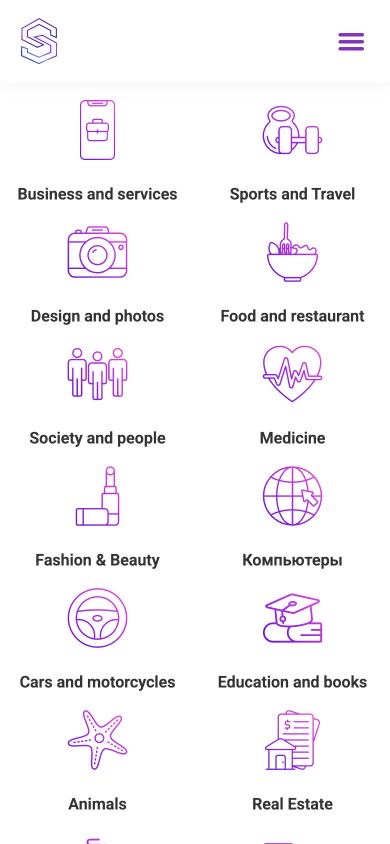
Focused markets

Target niches where CodeMode can connect positioning, conversion flow, SEO pages and platform logic into one launch-ready system.

Groups
12
Directions
194
01 Group 22 Directions Healthcare and Medical Medical practices, clinics, telemedicine, therapy, diagnostics and care providers. Open group 02 Group 16 Directions Wellness and Personal Care Beauty, wellness, fitness and personal care businesses with booking and local demand. Open group 03 Group 22 Directions Home and Local Services Local service businesses for homes, repairs, maintenance and service-area operations. Open group 04 Group 14 Directions Construction and Trades Construction companies, contractors, trades, architecture, engineering and property maintenance. Open group 05 Group 14 Directions Real Estate and Property Real estate agencies, property management, rentals, developers and property platforms. Open group 06 Group 16 Directions Professional Services Consulting, agencies, accounting, recruitment, IT services and B2B service providers. Open group 07 Group 16 Directions Legal and Finance Law firms, insurance, fintech, financial services, lending and advisory businesses. Open group 08 Group 14 Directions Education and Training Schools, courses, e-learning, tutoring, training and educational institutions. Open group 09 Group 18 Directions Retail and Ecommerce Retail stores, ecommerce brands, wholesale, subscriptions and online commerce businesses. Open group 10 Group 16 Directions Food and Hospitality Restaurants, cafes, food delivery, hotels, resorts and hospitality groups. Open group 11 Group 14 Directions Travel, Events and Entertainment Travel companies, event businesses, venues, entertainment and experience providers. Open group 12 Group 12 Directions Automotive and Transportation Auto services, dealerships, rentals, repair, towing and transport-related businesses. Open group

Technologies

Practical stack

A practical delivery stack for product interfaces, backend logic, integrations, analytics and scalable content architecture.

Tools
31
Groups
7
06 Language

HTML/CSS

CodeMode specializes in HTML and CSS development to create intuitive, responsive interfaces. Our solutions prioritize accessibility and conversion, making it easy to integrate...

Tailwind CSS
Open stack
07 Framework

Yii2/Yii3 Framework

Utilizing Yii2 and Yii3, CodeMode builds powerful web platforms, SaaS solutions, and custom workflows. Our frameworks support essential integrations and maintainable...

Open stack
08 Framework

Laravel Framework

CodeMode leverages Laravel to create high-performance web applications, from SaaS platforms to complex APIs and eCommerce sites. With seamless integrations and a focus on...

Open stack
09 Framework

Symfony Framework

CodeMode utilizes the Symfony framework to develop highly scalable web platforms, SaaS applications, and backend solutions. With its modular architecture and extensive libraries...

Open stack

Next step

Plan a platform around traffic, leads and payments

  • Product version
  • Content structure
  • Integrations
  • Growth pages

CodeMode can shape the first version, content structure, integrations and growth pages before development starts.

Project context

Why Digital Presence is Essential for Museums and Galleries

In today’s digital-first world, having a strong online presence is critical for museums and galleries. A well-designed website not only enhances visibility but also engages a wider audience beyond geographical limitations. By showcasing exhibits online, institutions can attract visitors who may not otherwise have the opportunity to visit in person.

Engagement through digital platforms allows for interactive storytelling, increasing community interest and support. Furthermore, the right digital tools can enhance operational efficiency, enabling staff to focus on curatorial tasks rather than administrative hassles.

Key Features of Effective Museum and Gallery Websites

A successful museum or gallery website should offer a range of features designed to optimize the user experience while maximizing operational functionality. Here are some essential features:

  • **Virtual Tours:** Provide immersive experiences that allow visitors to explore exhibits remotely.
  • **Event Calendar:** Easily updated display of upcoming exhibitions, workshops, and lectures.
  • **Online Ticketing:** Streamlined purchasing process for tickets or memberships.
  • **Educational Resources:** A section dedicated to research, lectures, and digital archives.
  • **Donations and Support:** Easy paths for visitors to contribute financially or volunteer.

Integrations to Enhance User Experience

Various integrations can significantly enhance the functionality of museum and gallery websites. These integrations include:

  1. Content Management Systems (CMS): Platforms like WordPress or Joomla enable easy content updates.
  2. Analytics Tools: Google Analytics can track visitor behavior to inform future strategies.
  3. CRM Systems: Customer relationship management can help manage interactions with donors and members.
  4. Email Marketing Tools: Automate newsletters to keep audiences informed about new exhibits and events.

Analytics: Understanding Visitor Behavior

The implementation of analytics tools provides invaluable insights into visitor interactions with your website. By analyzing user data, museums and galleries can:

  • Identify which exhibits attract the most interest.
  • Track the effectiveness of marketing campaigns.
  • Understand demographics to tailor future content and exhibits.

These insights drive informed decisions, helping to optimize exhibits and outreach efforts, which ultimately leads to improved visitor experiences.

Search Engine Optimization for Increased Visibility

SEO strategies are vital to ensure that your museum or gallery website ranks higher on search engines. Incorporating relevant keywords related to your exhibits and services helps attract organic traffic. Here are effective SEO practices:

  • **On-page Optimization:** Ensure titles, headings, and descriptions are keyword-rich.
  • **Mobile Compatibility:** A mobile-optimized site is crucial, as a significant portion of users browse on smartphones.
  • **Quality Content Creation:** Regularly updating your blog or news sections attracts repeat visitors and keeps your site relevant.
  • **Local SEO:** Optimizing for local searches can increase foot traffic and awareness within the community.

Risks of Neglecting Digital Transformation

Failing to embrace digital transformation can pose significant risks for museums and galleries. These include:

  • Decreased visibility leading to a decline in visitor numbers.
  • Missed opportunities for engagement with younger audiences.
  • Inability to adapt to changing visitor expectations.
  • Increased operational inefficiencies with traditional processes.

Next Steps to Elevate Your Institution

To take your museum or gallery to the next level, initiate the following steps:

  1. Conduct an audit of your current digital presence.
  2. Develop a project plan that includes timelines and budgets for website development.
  3. Identify a reliable web development partner focused on the cultural sector.
  4. Incorporate feedback from stakeholders to ensure community needs are met.

Taking these steps will not only improve your institution’s online visibility but also deepen community engagement and expand your audience base. It's time to invest in a digital strategy that showcases the unique value of your collections and exhibitions, making them accessible to everyone.

Did you know that over 70% of museum visitors plan their visit online? A dynamic website not only showcases your collections but also provides an essential touchpoint for bookings and visitor information. By utilizing SEO best practices, your institution can achieve higher visibility, attract more visitors, and provide valuable insights through analytics. Our services include bespoke website creation, online ticketing systems, community engagement features, and data-driven marketing strategies. Engage your audience with virtual tours, educational content, and social media integration. With CodeMode, you can preserve your institution's legacy and enhance its reach, ensuring that art and culture connect with a wider audience effectively.