Understanding HVAC Services
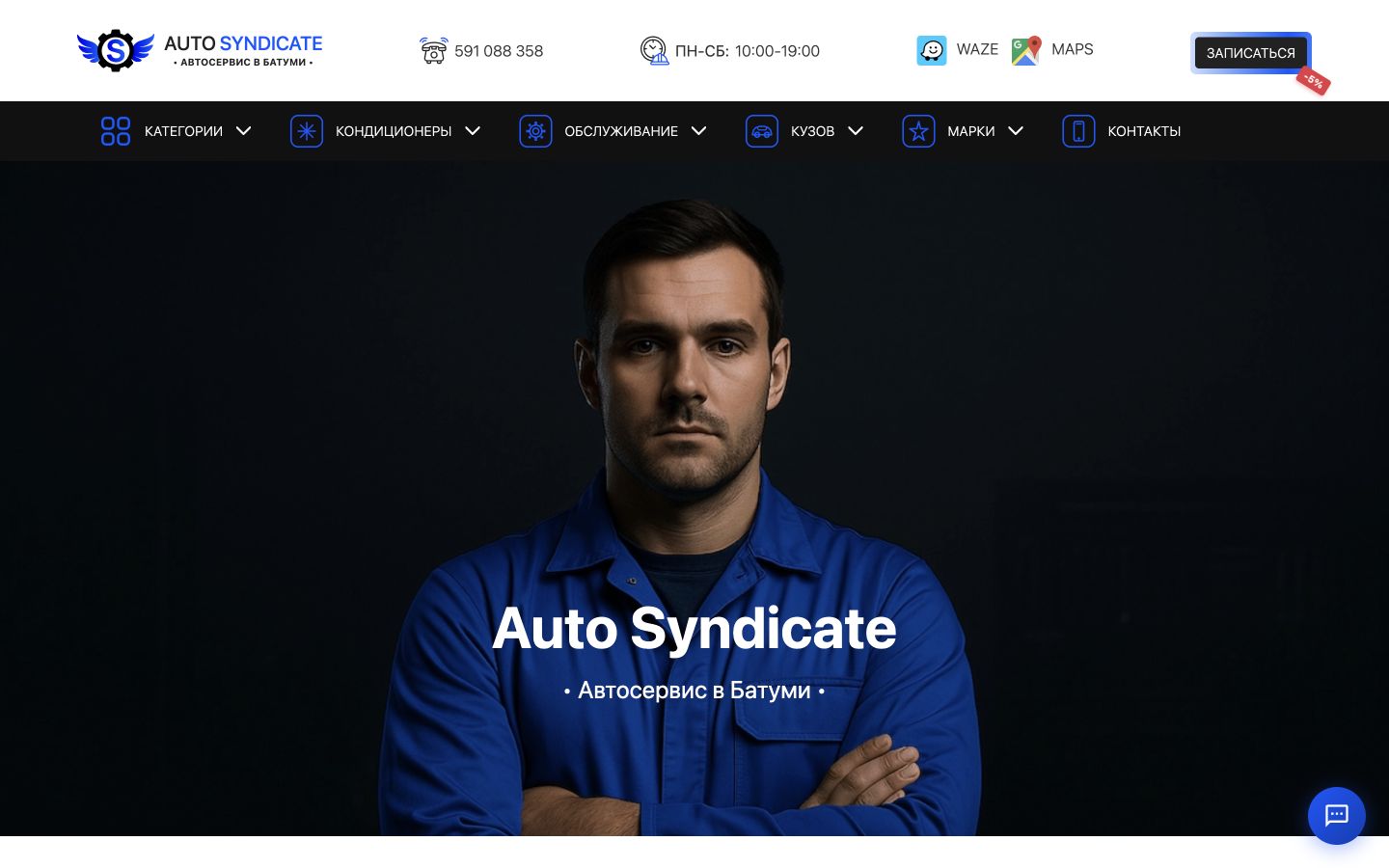
HVAC services encompass a range of solutions designed to regulate indoor air quality, temperature, and humidity in residential and commercial spaces. These services are essential for ensuring comfort, energy efficiency, and compliance with local regulations.
Key Components of HVAC Systems
An effective HVAC system includes several vital components, each playing a specific role in maintaining comfort. Key components consist of:
- Heating Units: Furnaces and heat pumps that provide warmth during colder months.
- Cooling Systems: Air conditioners that keep the indoor environment cool in the summer.
- Ventilation: Systems that ensure the continuous exchange of indoor and outdoor air, preventing issues like mold.
- Thermostats: Devices that allow for the manual or automated control of temperature settings.
- Ductwork: The pathways through which air travels to and from various rooms.
Benefits of Professional HVAC Services
Engaging with professional HVAC services offers numerous advantages, including:
- Enhanced Energy Efficiency: Professionals can optimize systems to reduce energy consumption, lowering utility bills.
- Improved Indoor Air Quality: Regular maintenance and air filter replacement can minimize allergens and pollutants.
- Extended Equipment Lifespan: Routine checks and repairs can prolong the life of HVAC systems, saving money on replacements.
- Expert Technicians: Skilled professionals can quickly diagnose and address issues, preventing escalated damage.
Common HVAC Services Offered
HVAC providers typically offer a comprehensive suite of services, including but not limited to:
- Installation of HVAC systems tailored to customer needs and building layout.
- Regular maintenance checks that include cleaning and inspections.
- Emergency repair services to address unforeseen breakdowns.
- Energy audits to identify inefficiencies and recommend upgrades.
- Smart thermostat installation for better control and energy savings.
Integrating Modern Technologies
The HVAC industry is rapidly evolving, with the integration of smart technologies that enhance efficiency and user control. Smart HVAC systems allow for remote operation and optimization, providing users with data analytics on energy consumption and system performance.
Integrating HVAC systems with smart home technologies not only ensures comfort but can also lead to significant energy savings.
Importance of Regular Maintenance
Regular maintenance is crucial not just for system performance but also for safety. Neglecting maintenance can lead to inefficient operation, higher bills, and health risks from poor air quality. Homeowners should schedule seasonal check-ups with certified HVAC professionals to ensure their system runs optimally.
Making the Right Choice
Choosing an HVAC service provider necessitates careful consideration. Look for companies with strong customer reviews, transparent pricing, and maintenance plans that fit your needs. Additionally, ask about their expertise in installing and servicing the latest energy-efficient systems.